
Alpaca Park in Sokolniki Park
Choose a ticket
Buying an online ticket won't take more than 2 minutes, and the emotions from visiting our park will last forever❤️
Child
For children from 3 to 13 years old
- Access to the park territory for the whole day
- Meeting all the animals
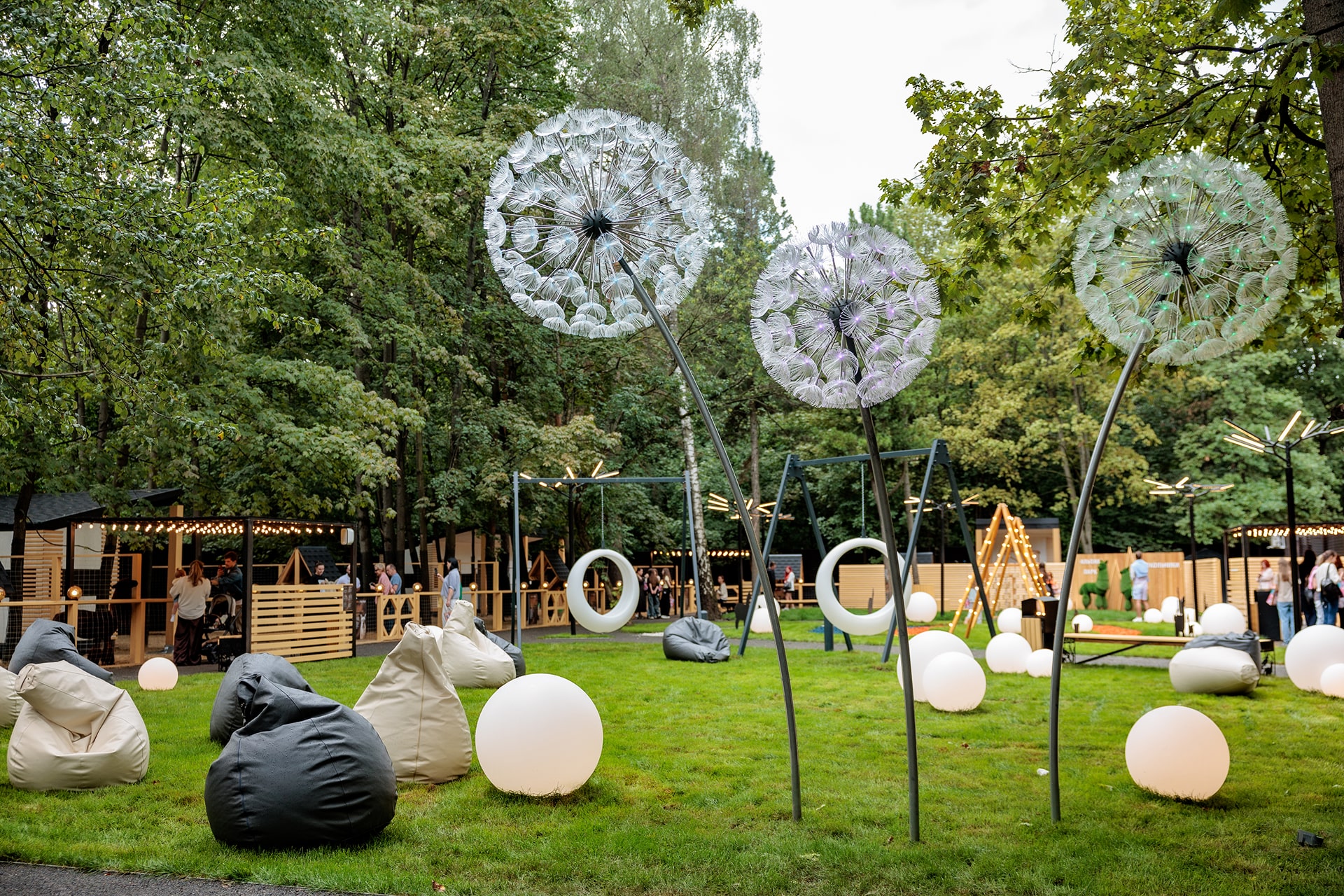
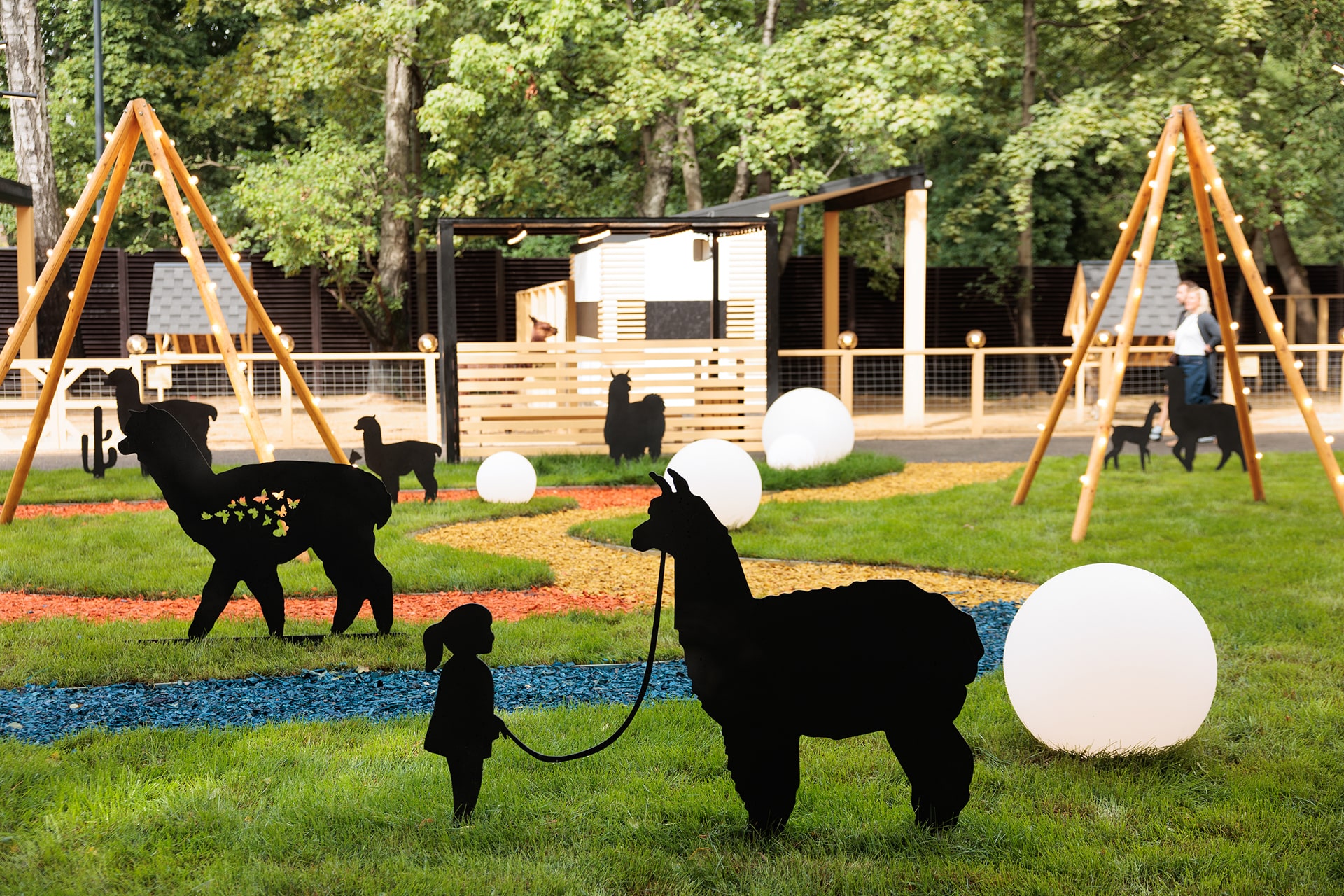
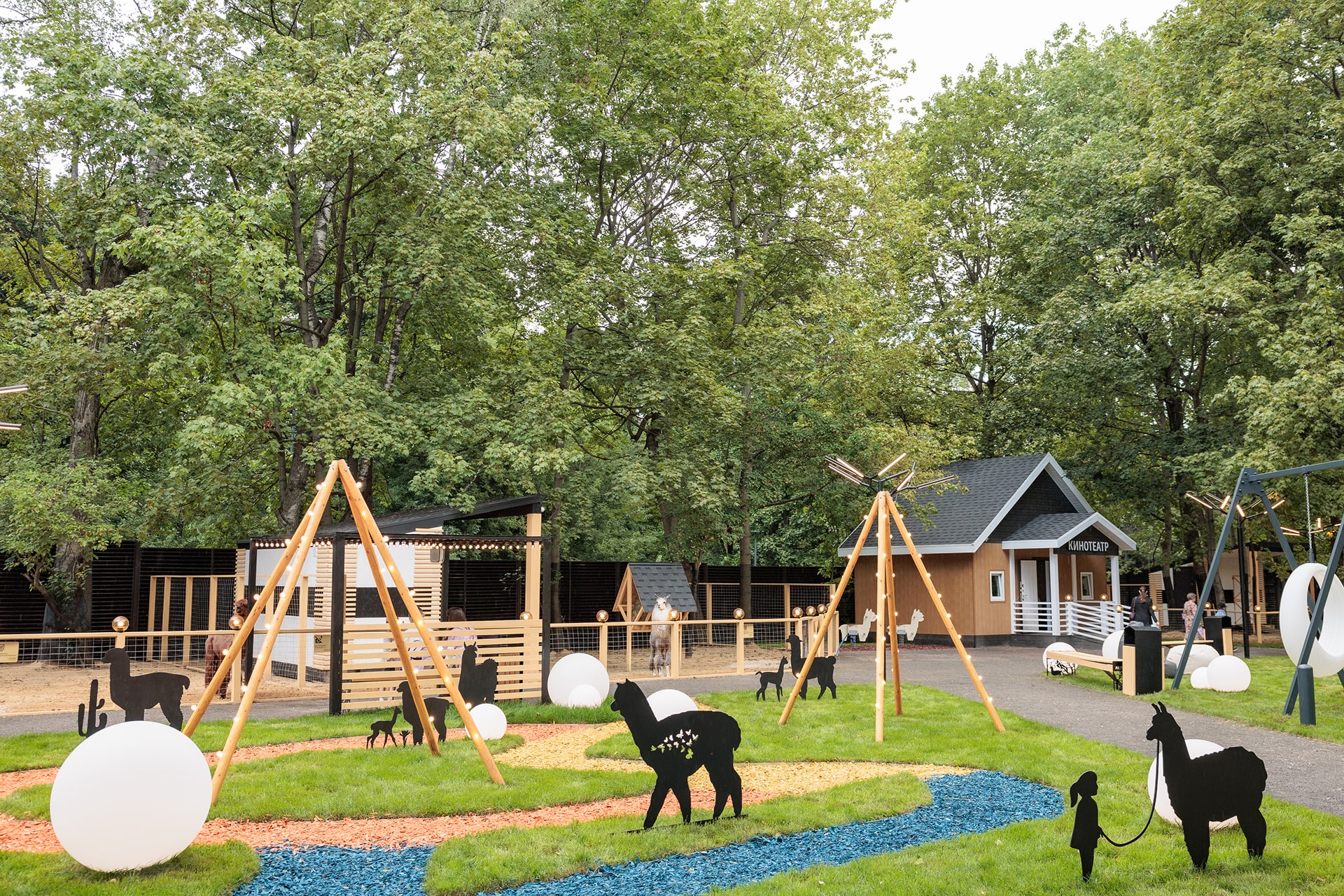
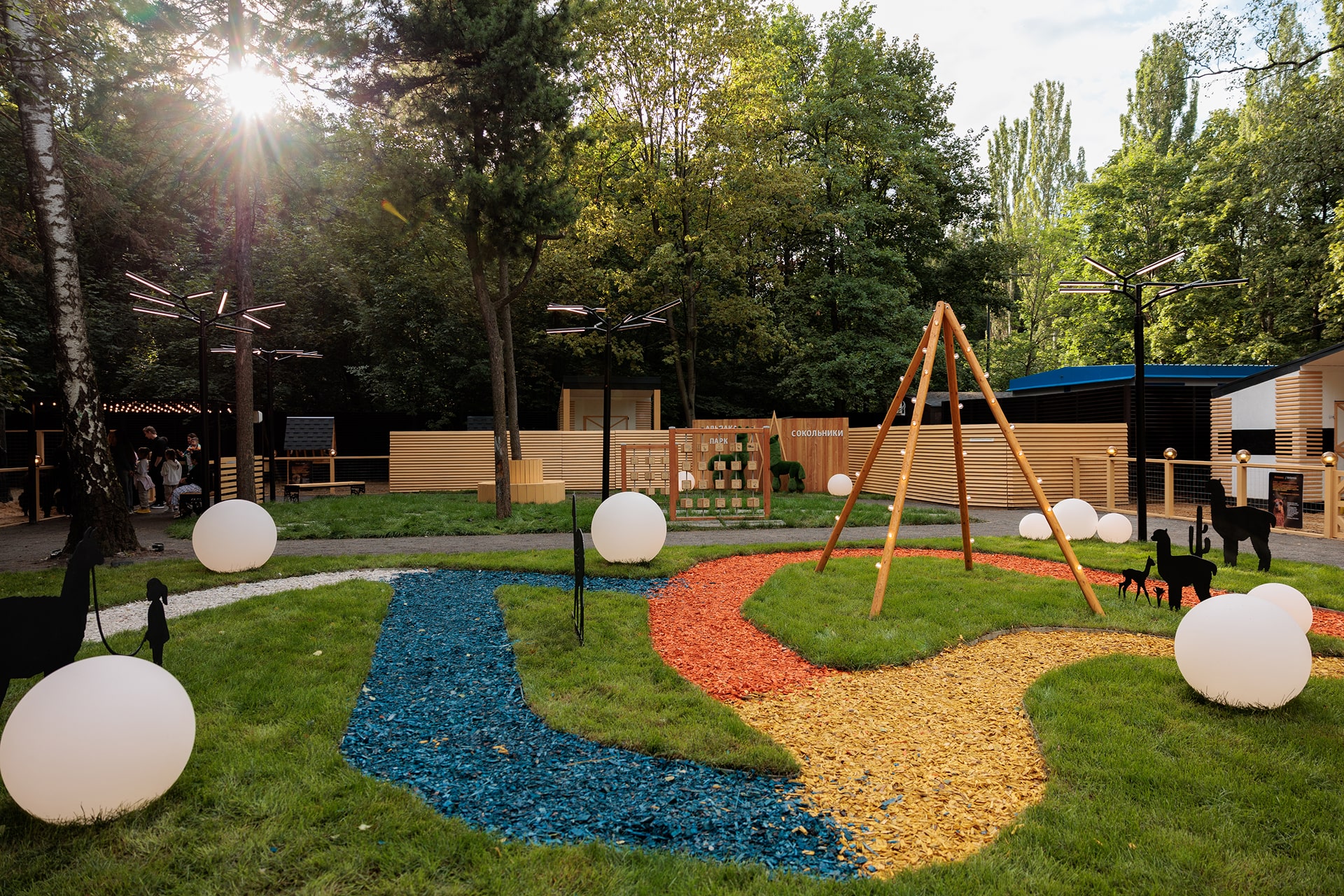
- Games on the territory, swings
Adult
For visitors from 14 years old
- Access to the park territory without time limits
- Free photography (on your own phone)
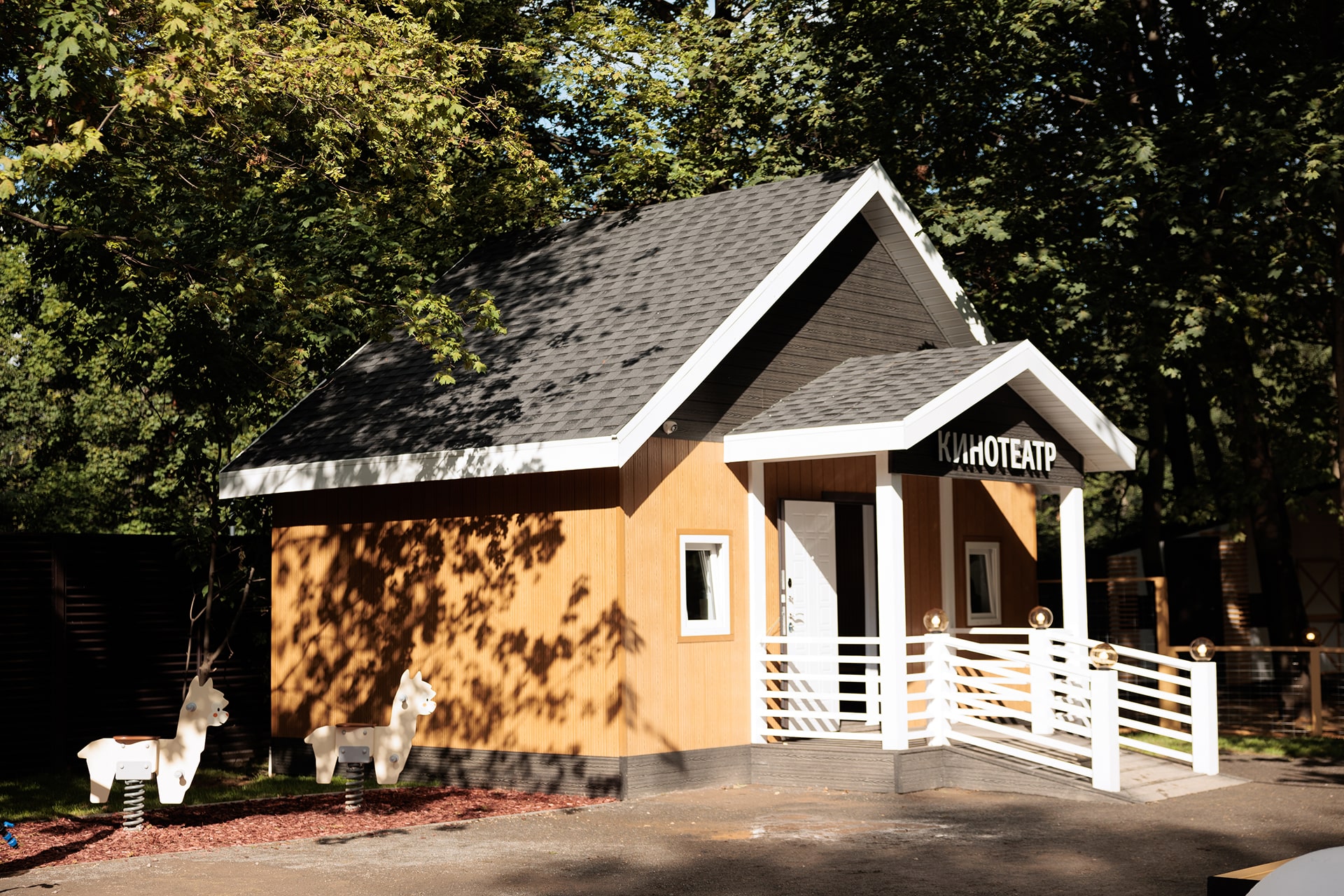
- Cinema visit and tea with sweets
Feed
Premium quality
- Balanced
- Includes lettuce leaves and other treats
- Alpaca's favorite set
Gift certificate
Give an original gift to your loved ones! Open-date ticket, valid for 3 months.
Happy Hours
Every day from 10:00 to 11:00 and from 20:00 to 22:00 tickets can be purchased with a discount:
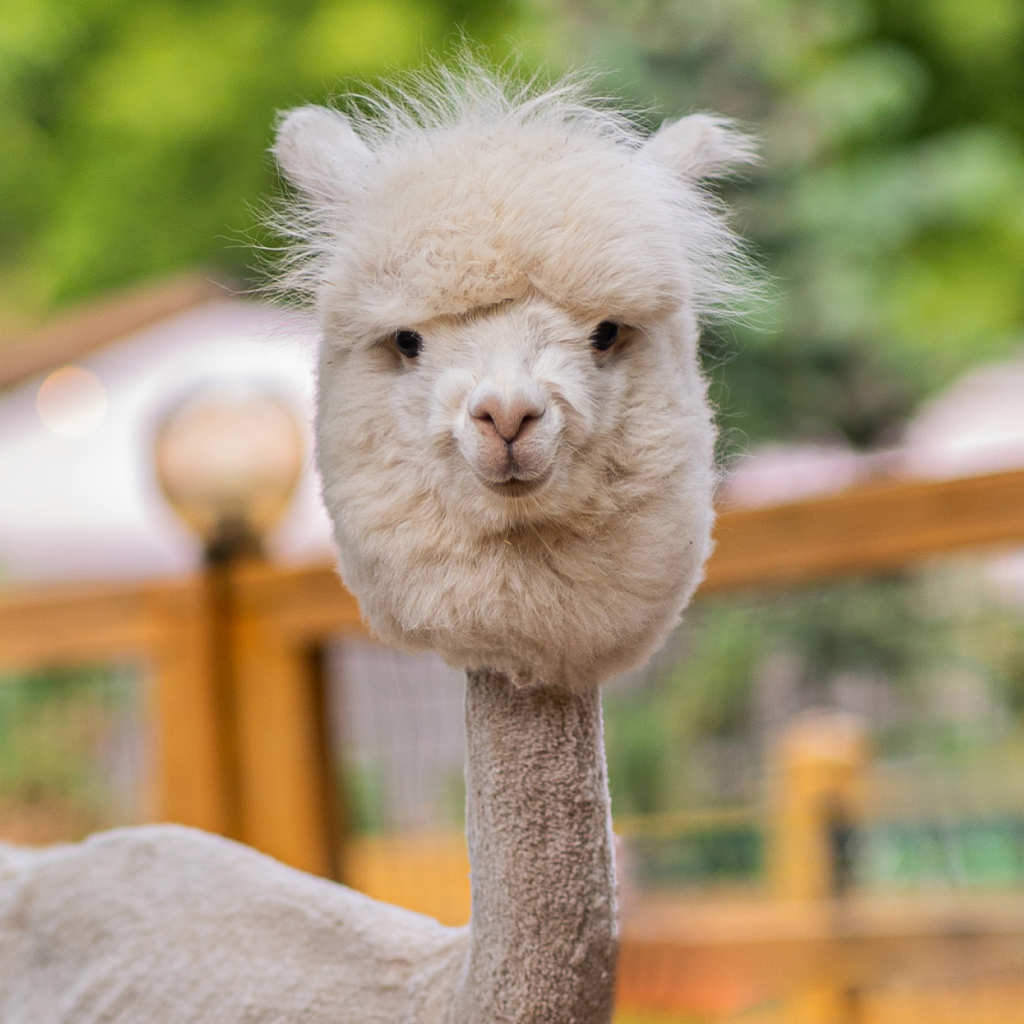
Johnny
Johnny is a very curious alpaca, gentle, kind, and contact-oriented. Mom - Casablanca.
We call him the "white dandelion" because of his cute hairstyle with hairs sticking out in different directions.
You will always see a smile on his face.
Birthday: 17.08.2023
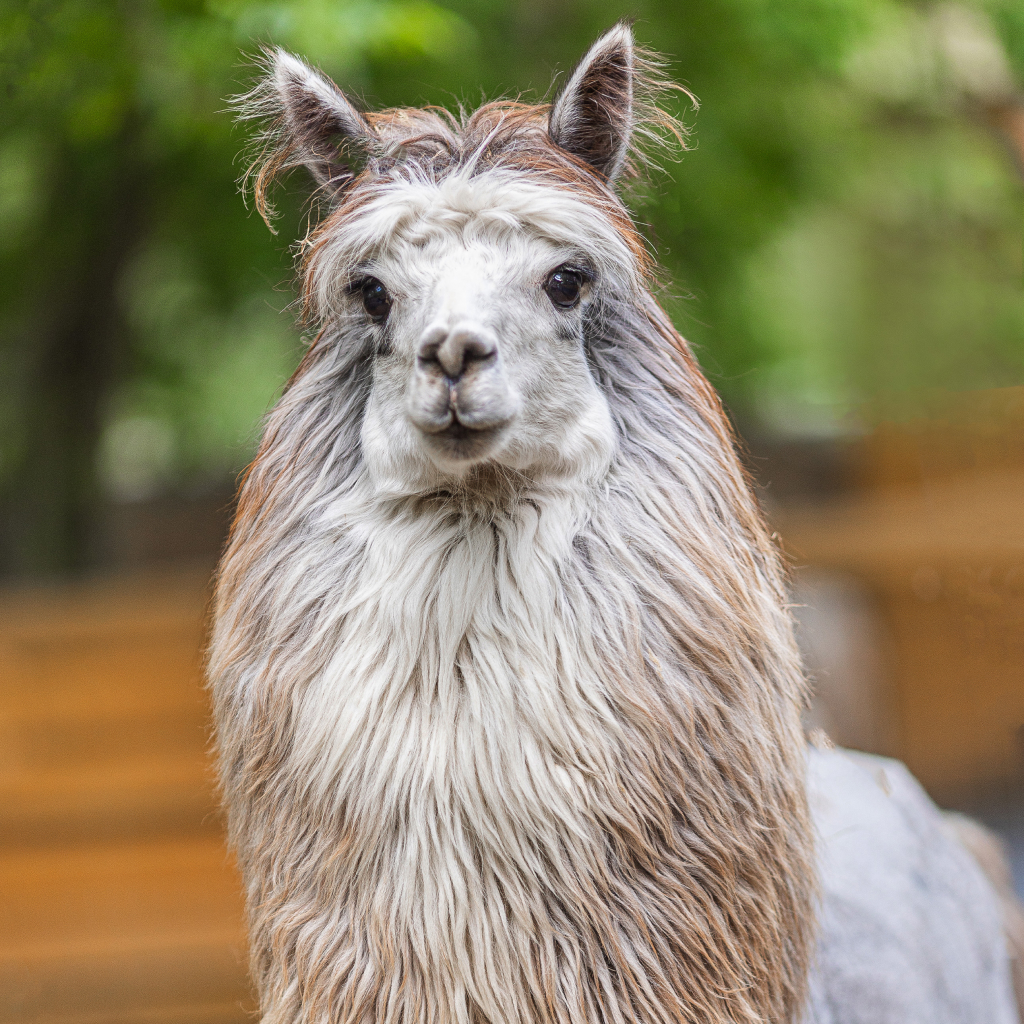
Berberis
Berberis (also known as Benya) is the only gray-colored alpaca.
He is quite quarrelsome and cannot resist guests' treats – he often takes cups and behaves like a hooligan, while remaining a very sociable and kind alpaca at heart. His voice can often be heard, thus he shows everyone his mood.
Birthday: 12.07.2015
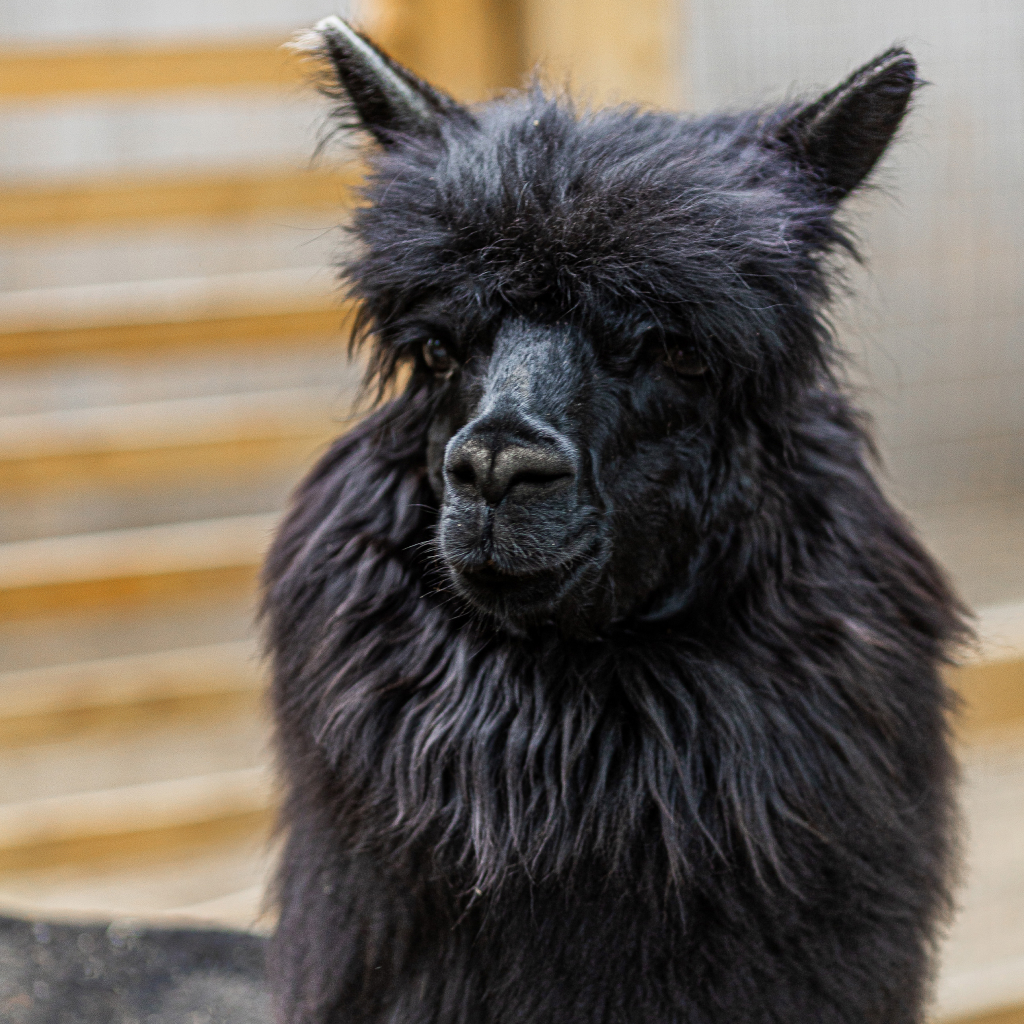
Blackie
Blackie (Black Beauty) is a very handsome and charismatic male alpaca.
His black coloring attracts attention. He enjoys going for walks with guests and accepting treats. By nature, Blackie is a friendly, cute, and charming alpaca.
Birthday: 21.06.2018
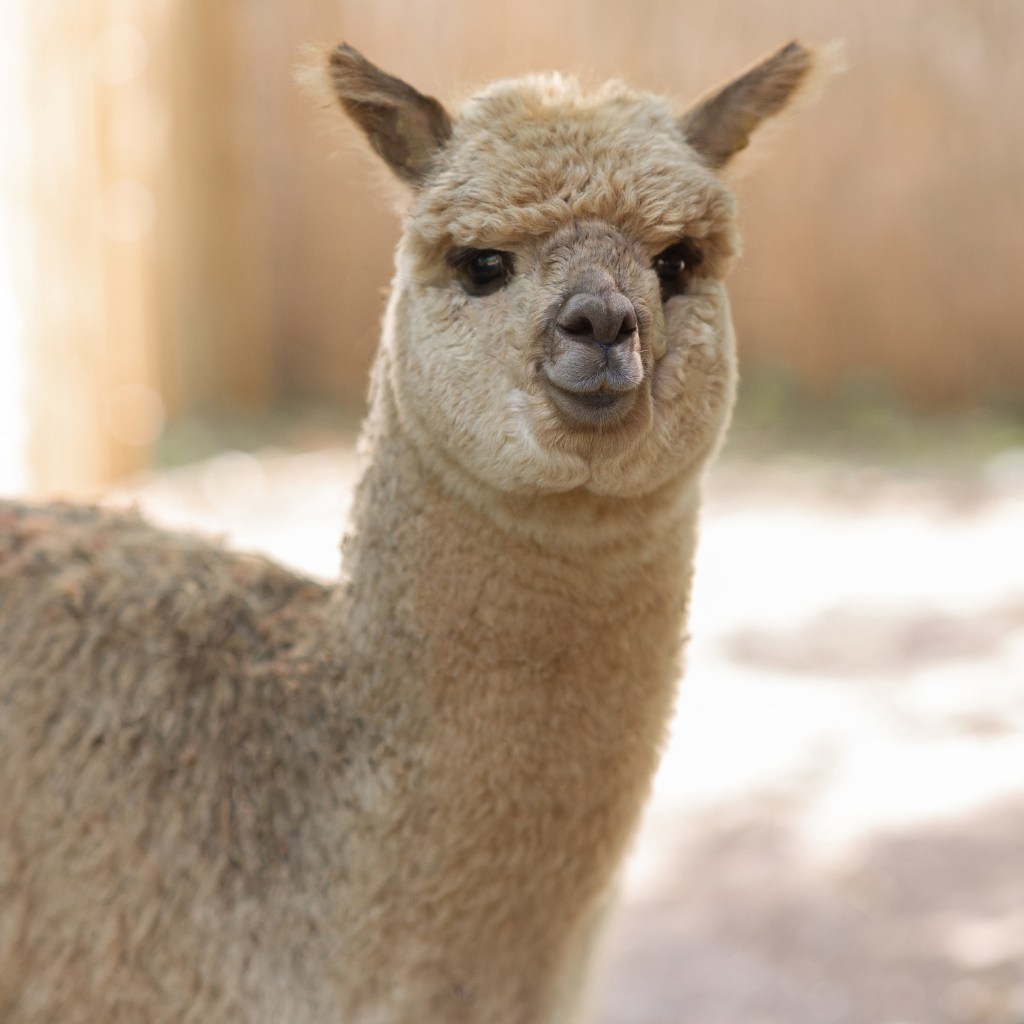
Lilu
Lilu is a young female Huacaya alpaca, arrived at Alpaca Park together with her friend Lori in June 2024.
A cute, shy alpaca, while being the main friend in their pair.
She is still getting used to her new place of residence.
Birthday: 10.09.2023
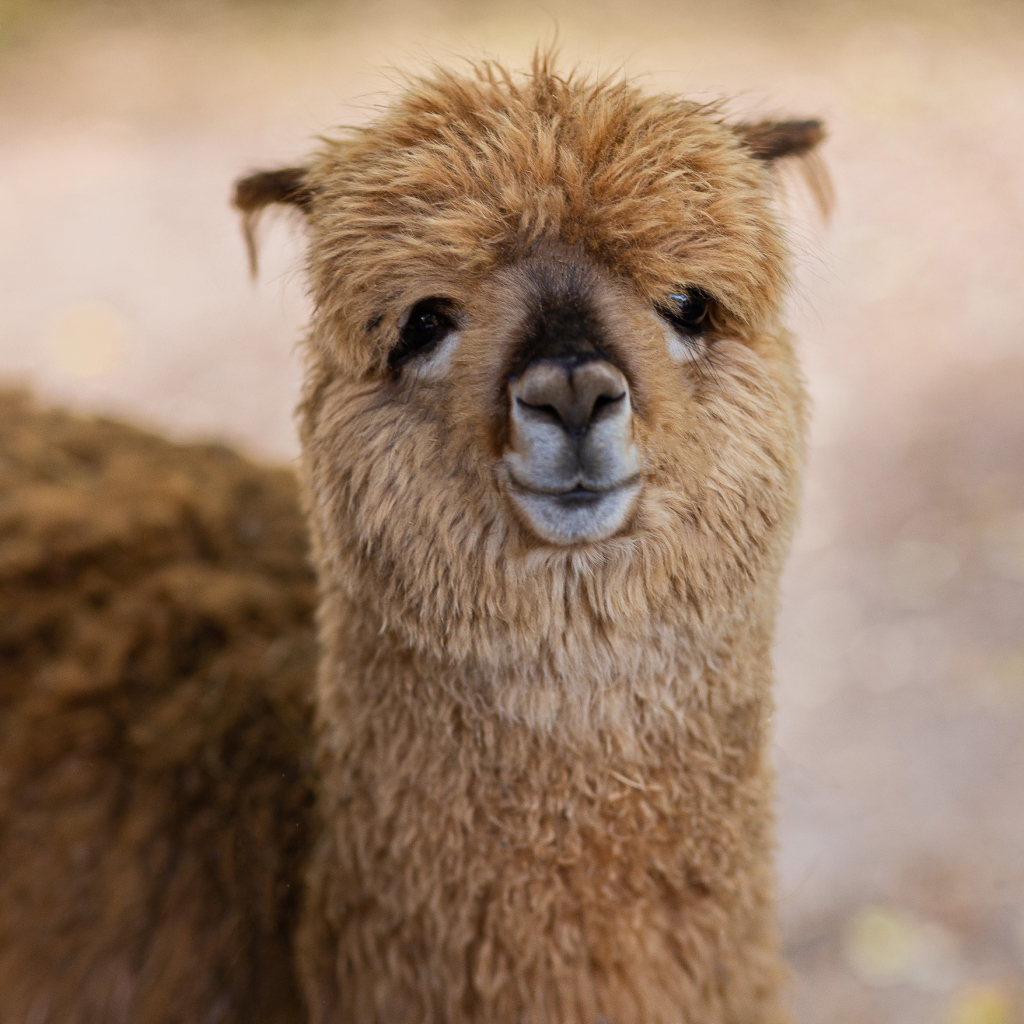
Lori
Lori is a baby girl who arrived at Alpaca Park together with her friend Lilu in June 2024.
She completely trusts her older friend and follows her everywhere.
She is gradually getting used to her new place of residence and starting to approach guests for treats.
Birthday: 10.10.2023
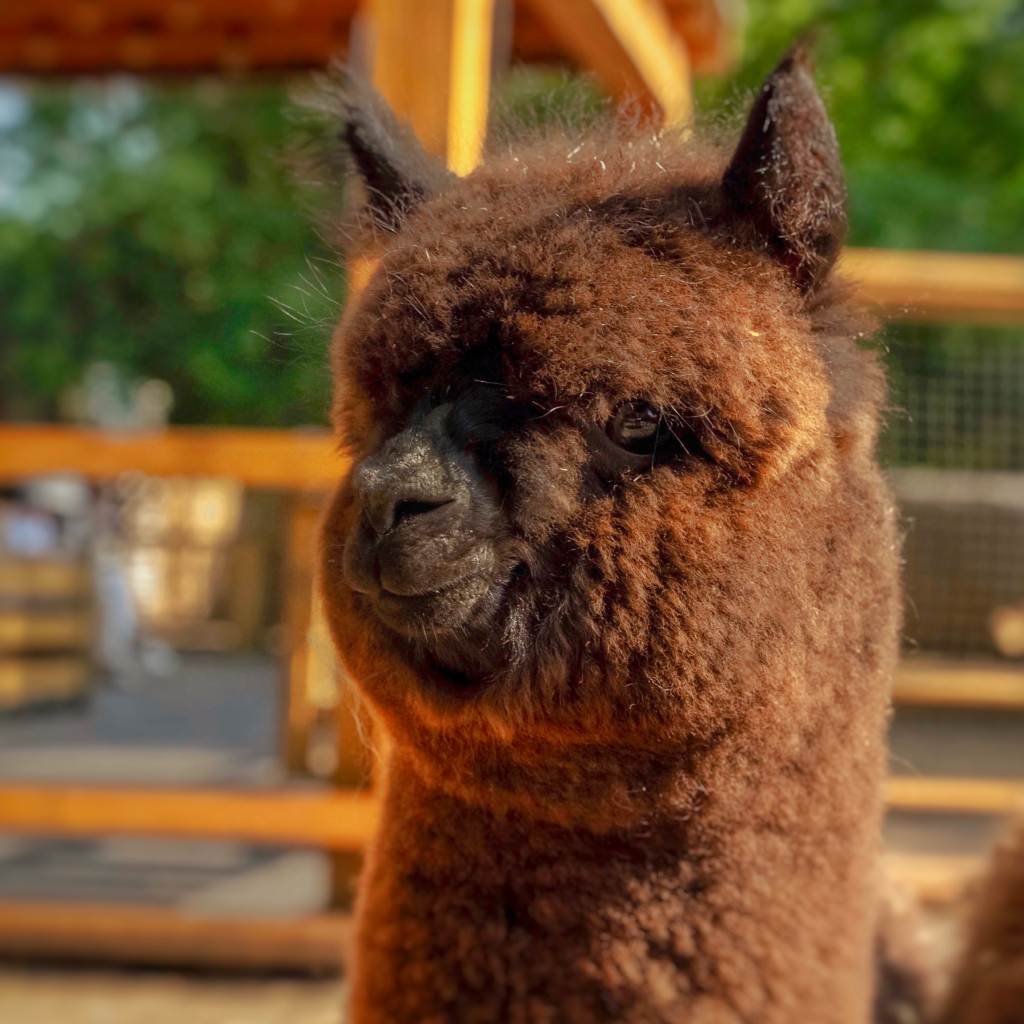
Athena
Athena is a Huacaya alpaca, distinguished by her coloring, she has very beautiful solid brown fleece. A very lively and active alpaca, she likes to argue with keepers during grooming. She smiles cutely, loves to pose when being photographed. She quickly makes contact and usually follows her friend Julia everywhere.
Birthday: 25.08.2022
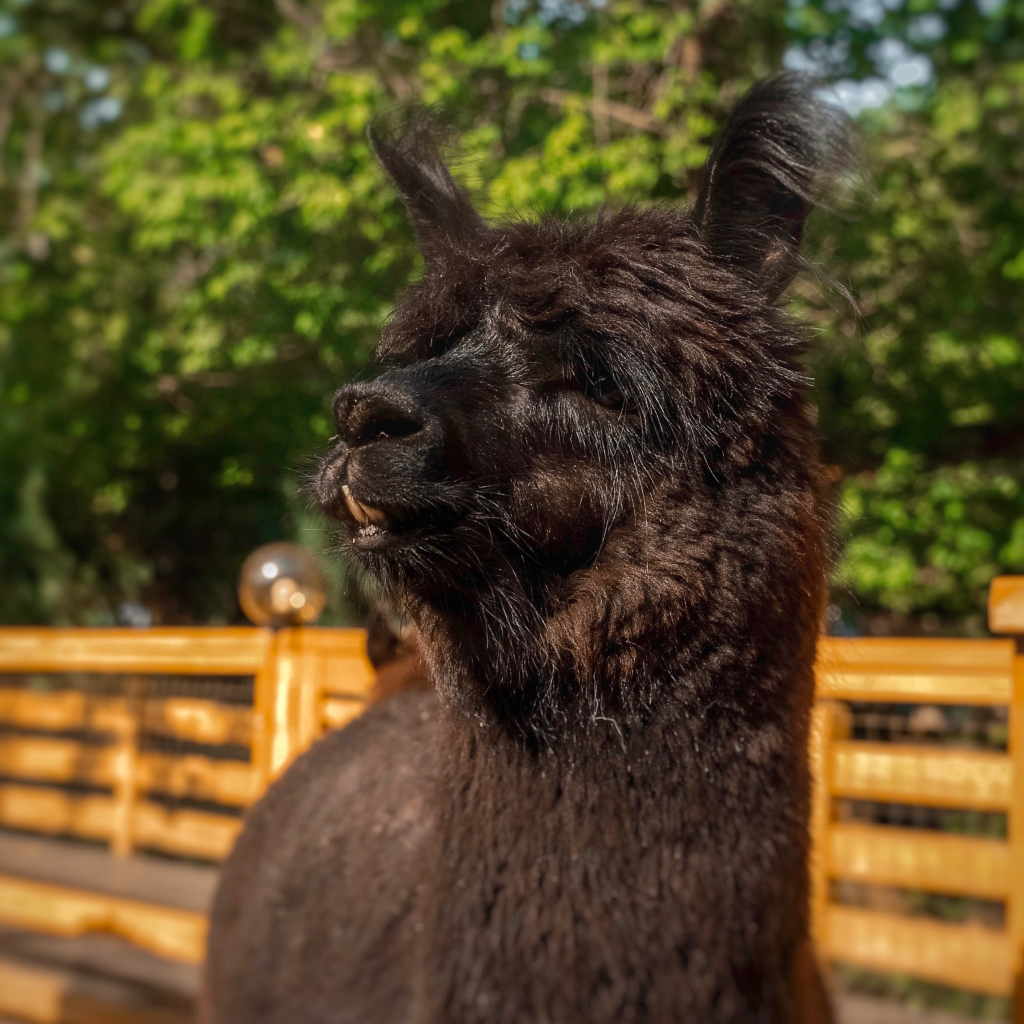
Julia
Julia is a Huacaya alpaca with very beautiful black fleece. In sunny weather, she prefers to roll in the sand, doesn't like active games. She is a very calm and cute alpaca. She loves when her neck is stroked and she is given a treat. A polite, self-sufficient, and calm girl.
Birthday: 11.08.2022
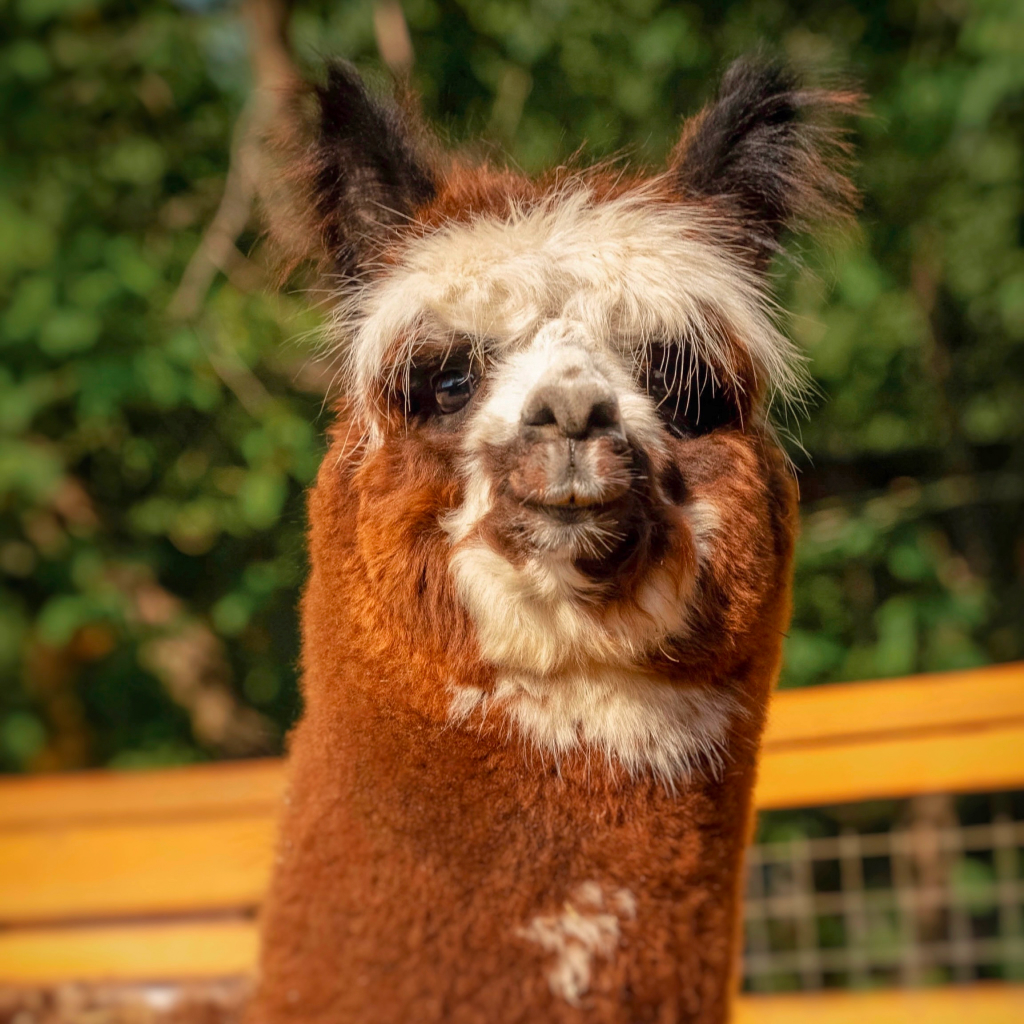
Holly
Holly is a Huacaya alpaca, light brown with white coloring. A friendly and curious alpaca, she happily accepts carrot treats. By nature, she is very independent and self-sufficient. She gets along great with all the girls, but spends most of her time with her best friend - Athena.
Birthday: 22.08.2022
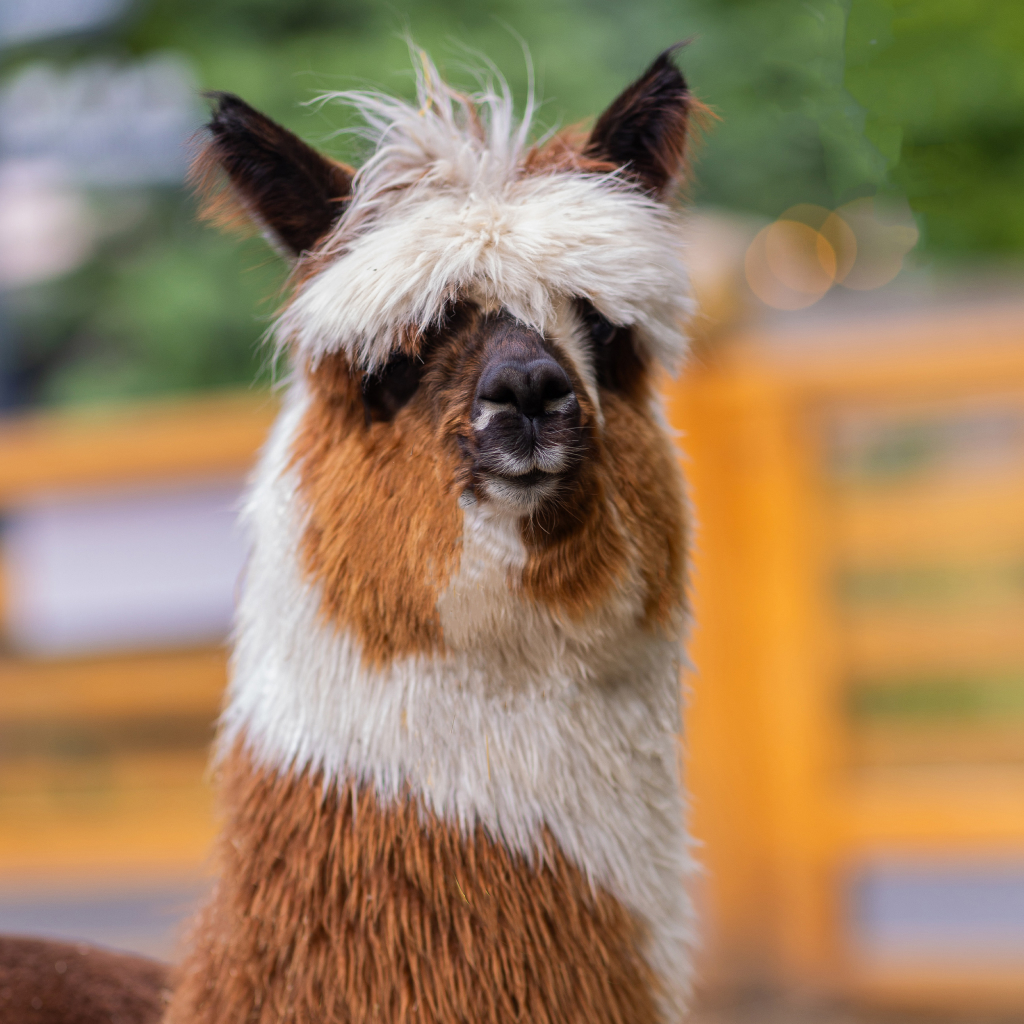
Brownie
Brownie is very playful, loves to run and frolic, energizing everyone around.
A brave, friendly, and independent alpaca.
He inherited his unusual coloring from his grandmother.
Birthday: 20.07.2023
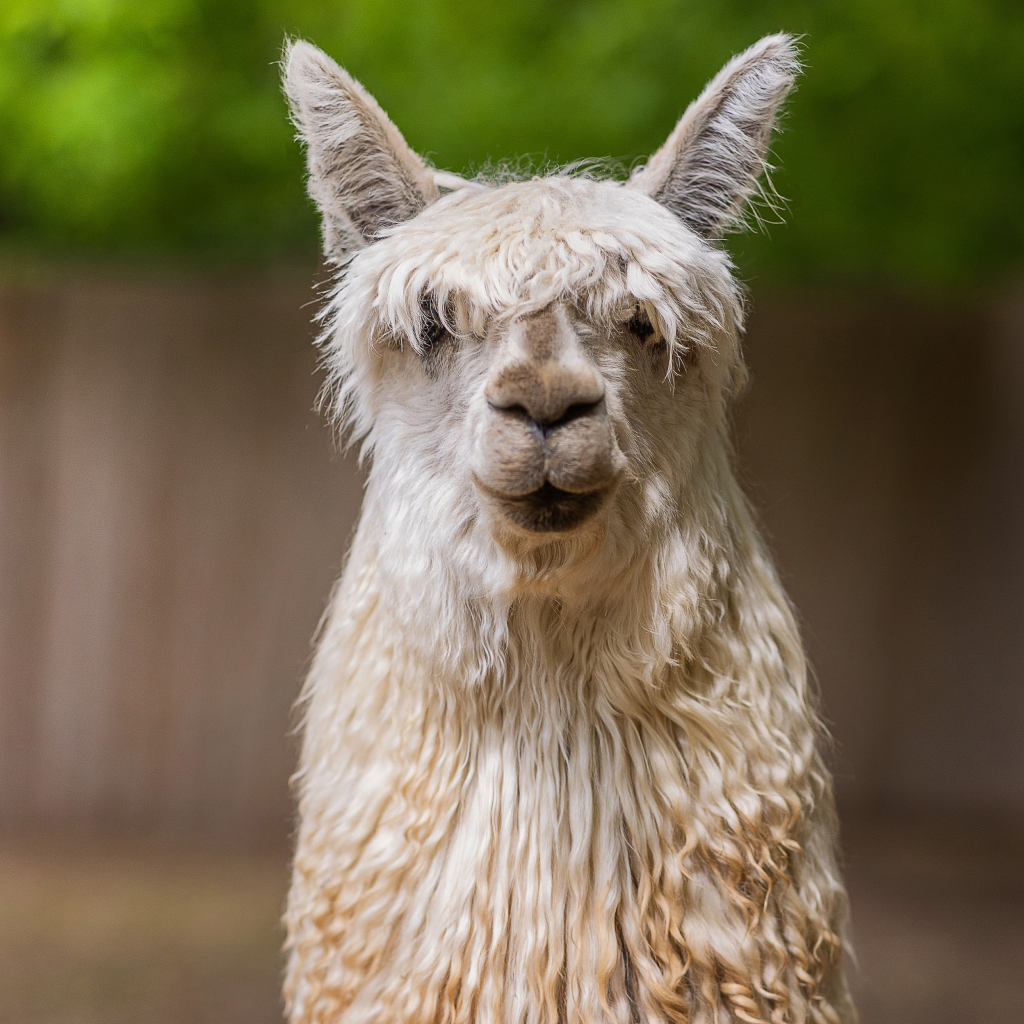
Nick Mighty
Nick Mighty (also known as Nikki) is the smallest alpaca among the males in size and the oldest by age.
He has a very strong character, always gets what he wants in communication with his neighbors. He is always the first to go meet guests, bravery is his middle name!
Birthday: 12.09.2013
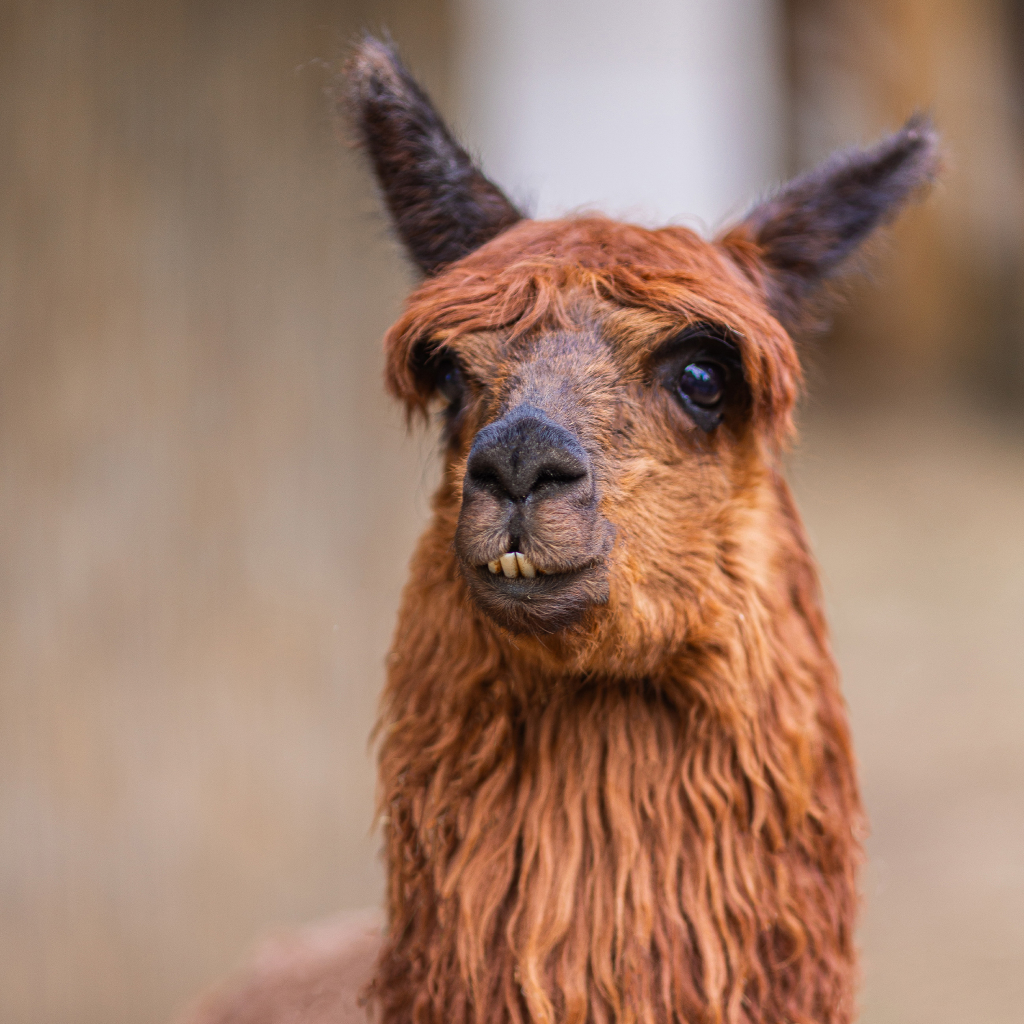
Artemis
Artemis is the most modest alpaca in our park.
Compliant, kind, calm, without bright manifestation of emotional character traits. He coexists with other alpacas without problems.
Birthday: 25.05.2014
About the Sokolniki area: animal interaction
You will be able to

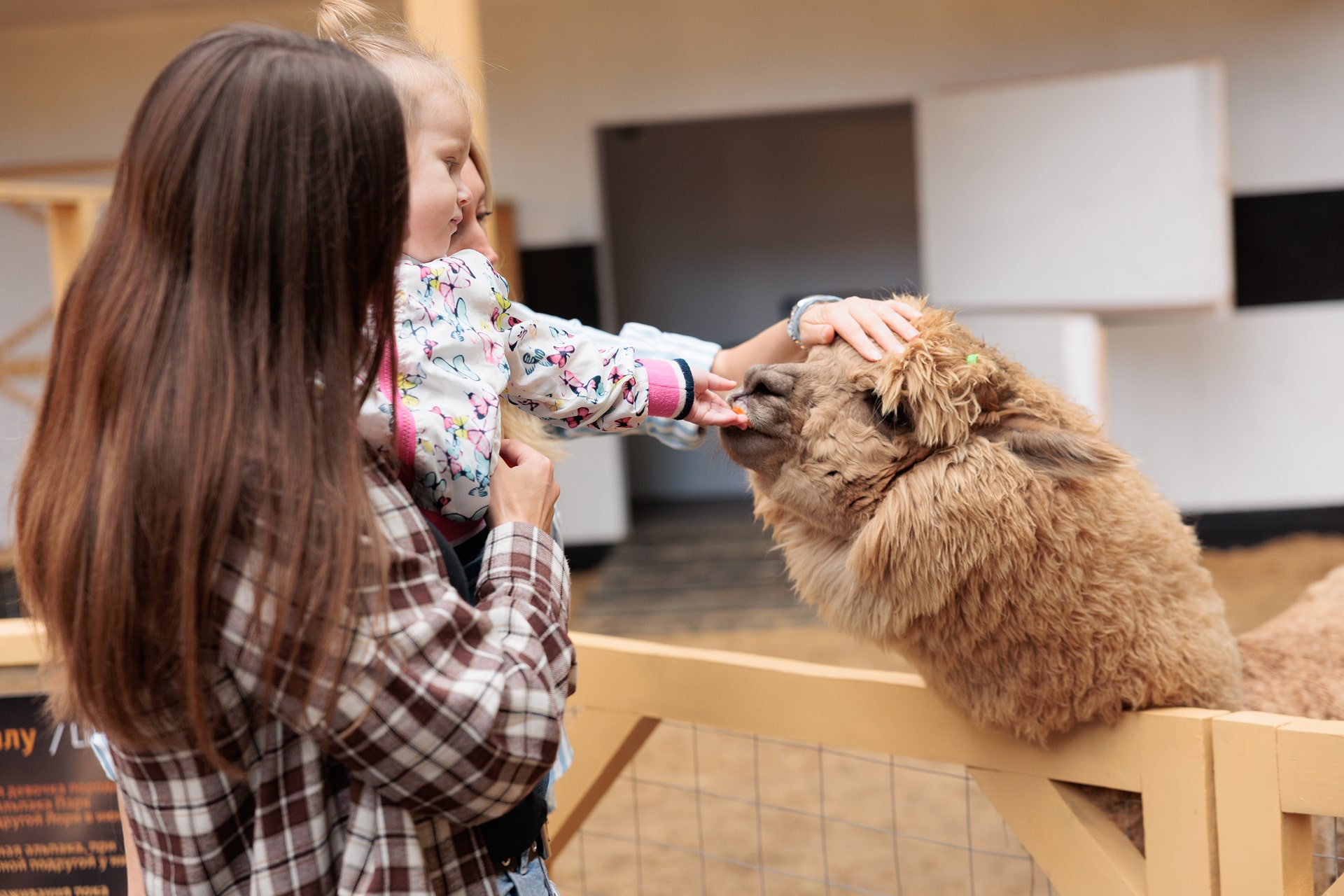
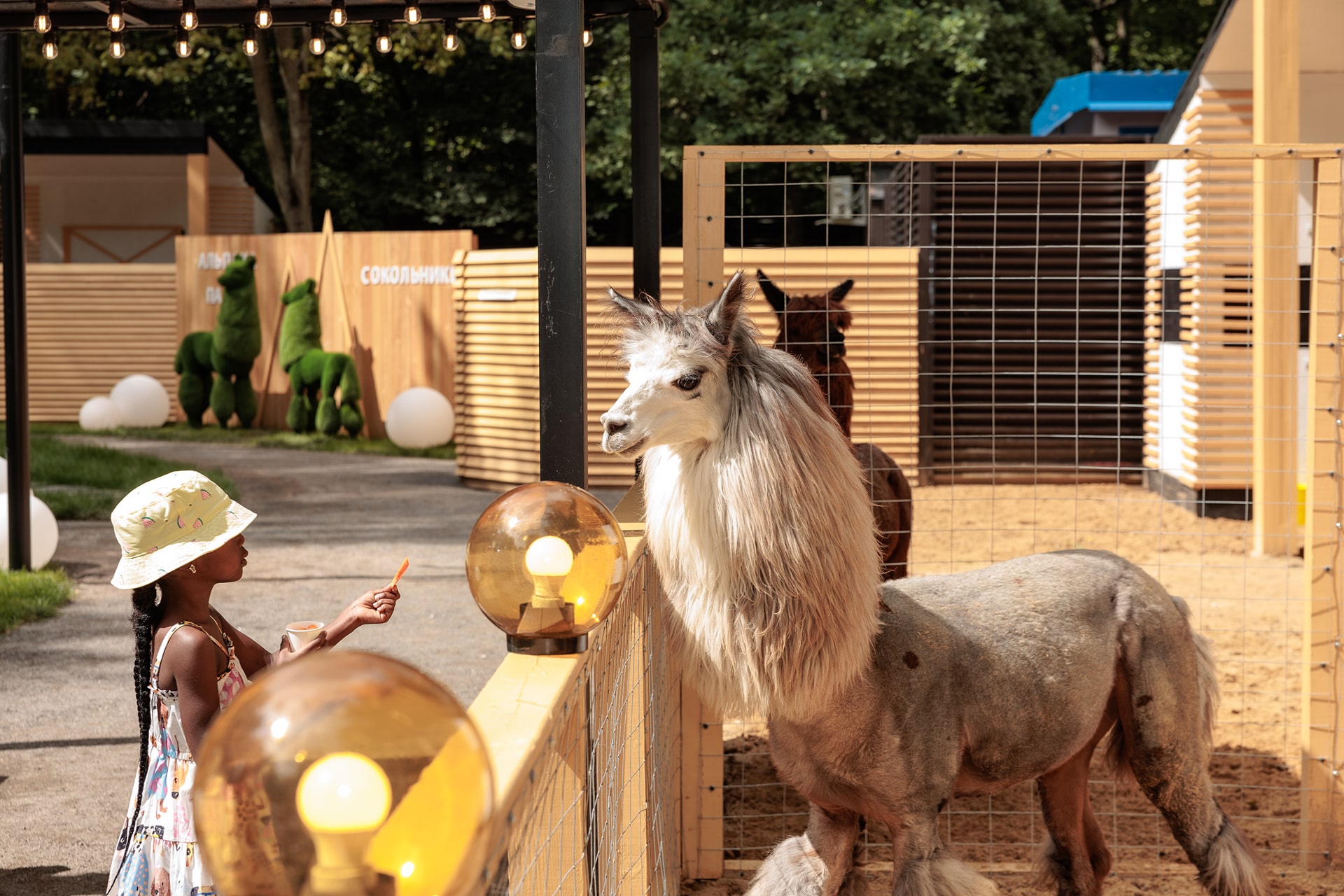
Feed alpacas

Take memorable photos

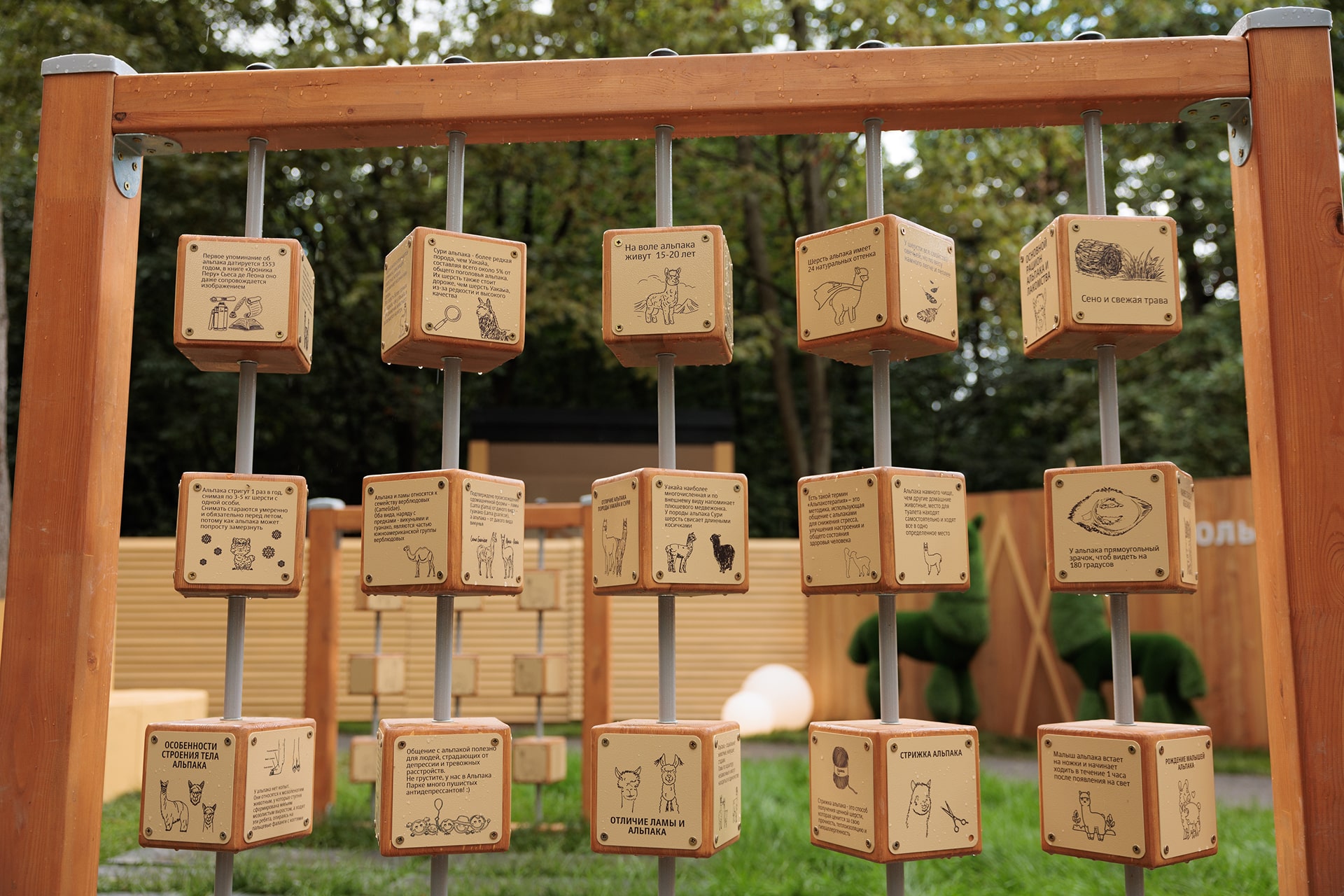
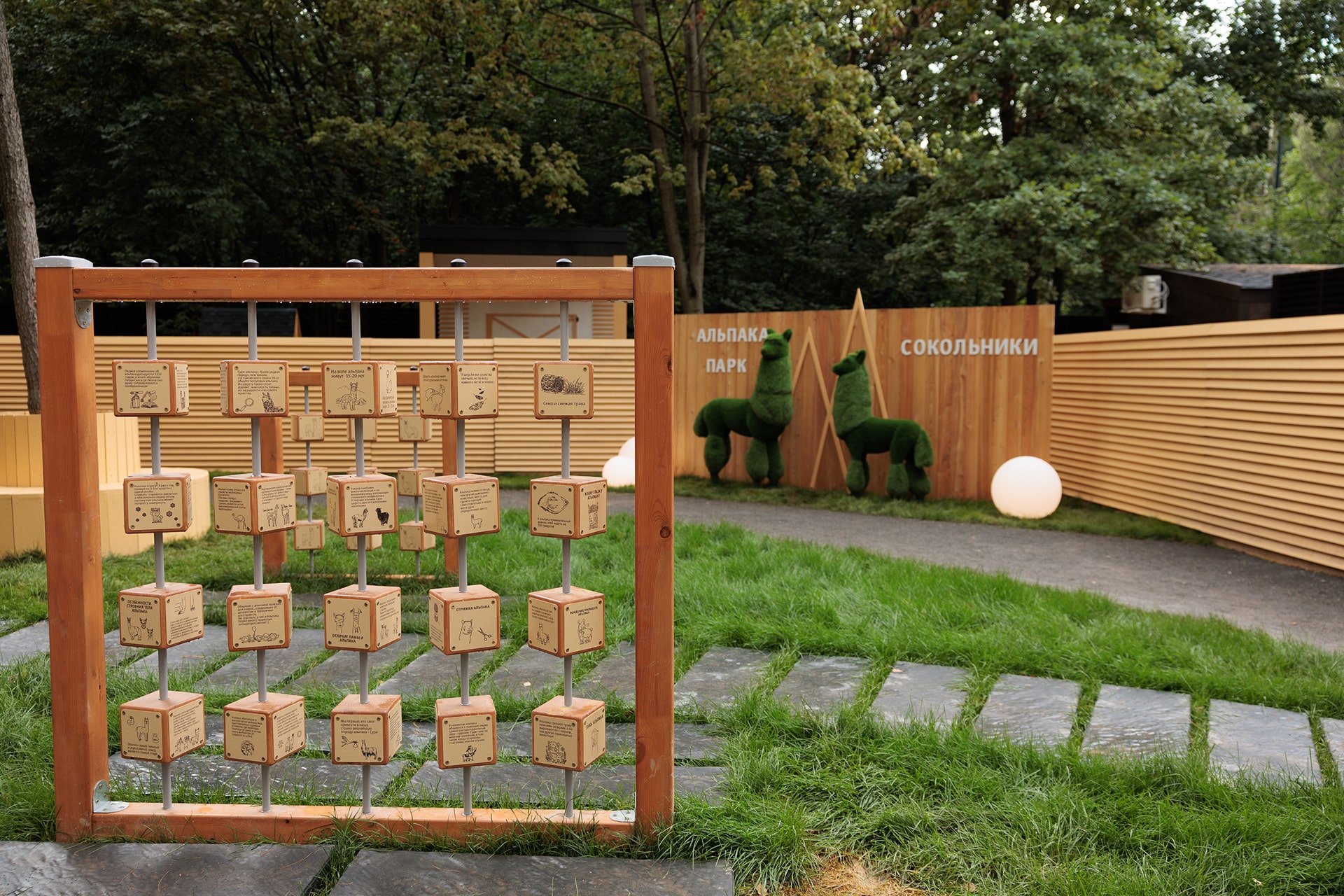
Learn interesting facts about alpaca life

Free tea and sweets in our cinema
Location map inside the park
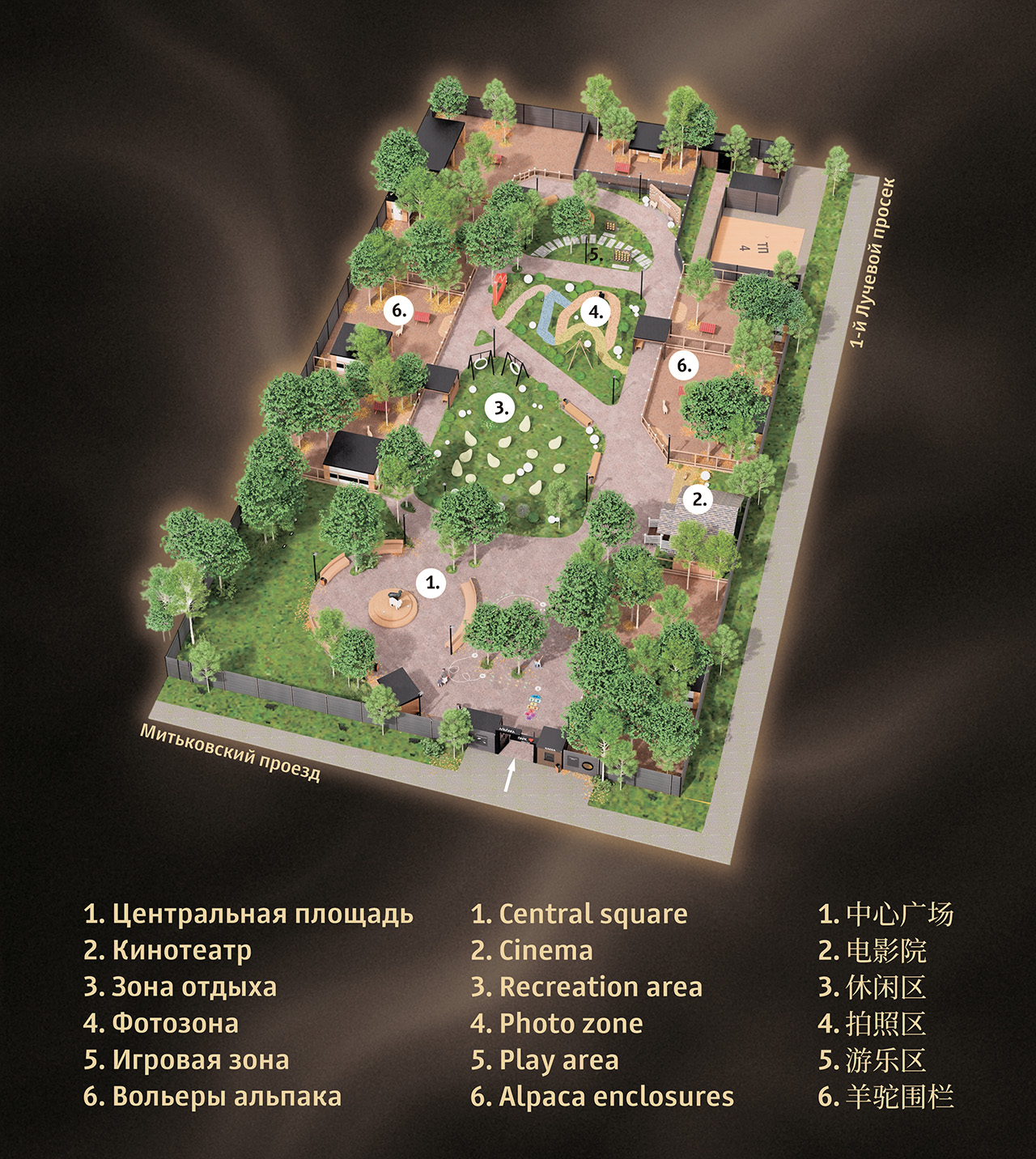
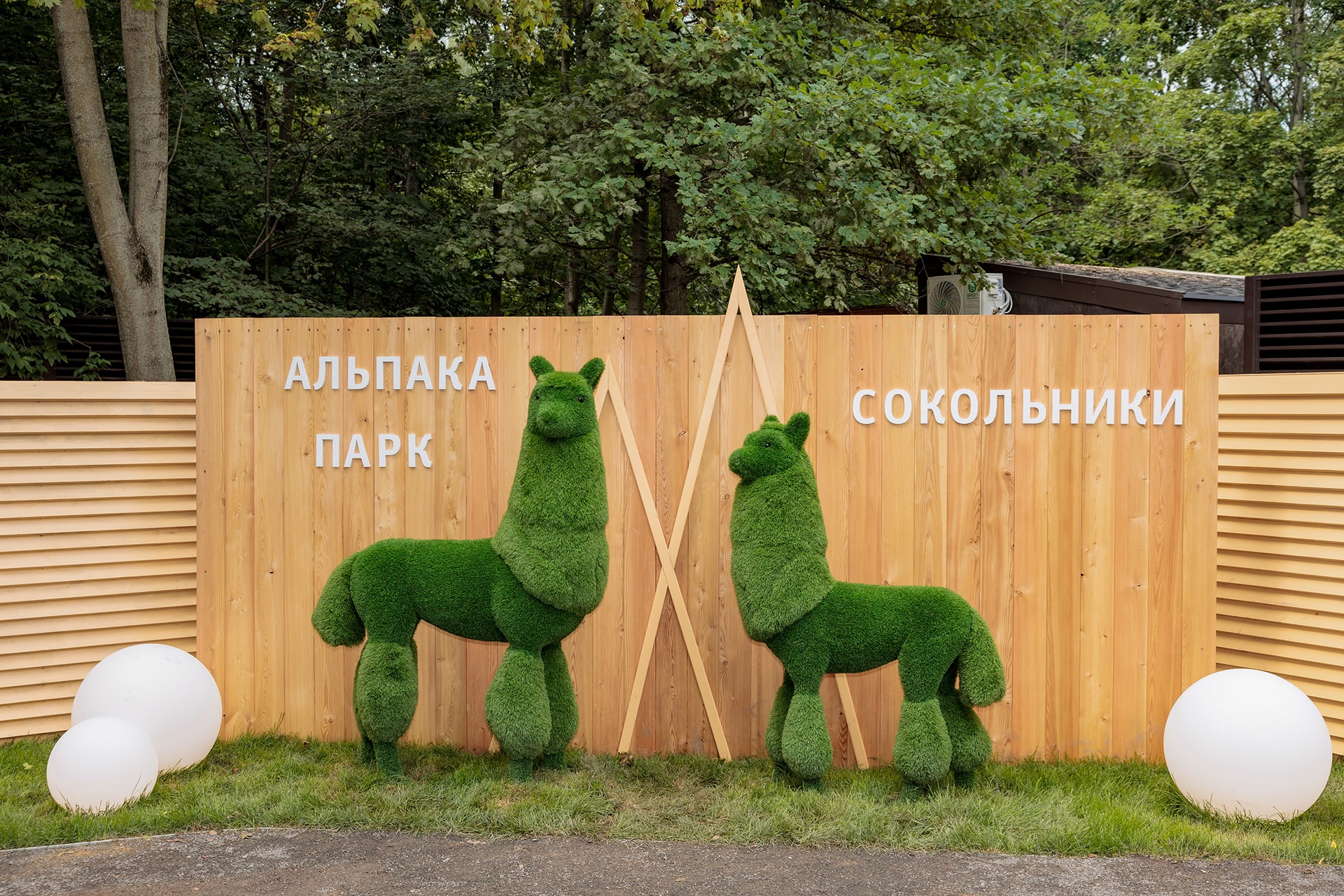
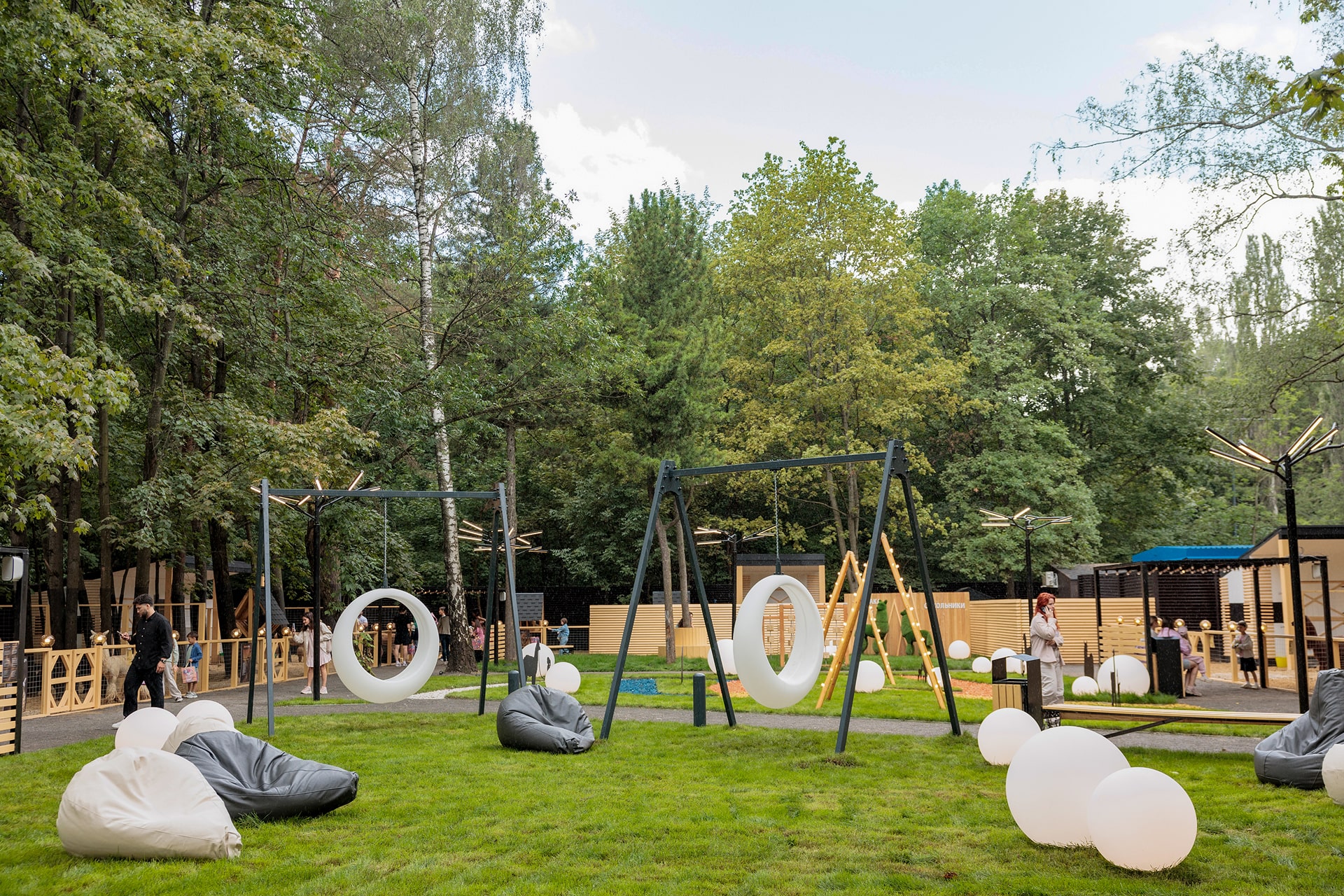
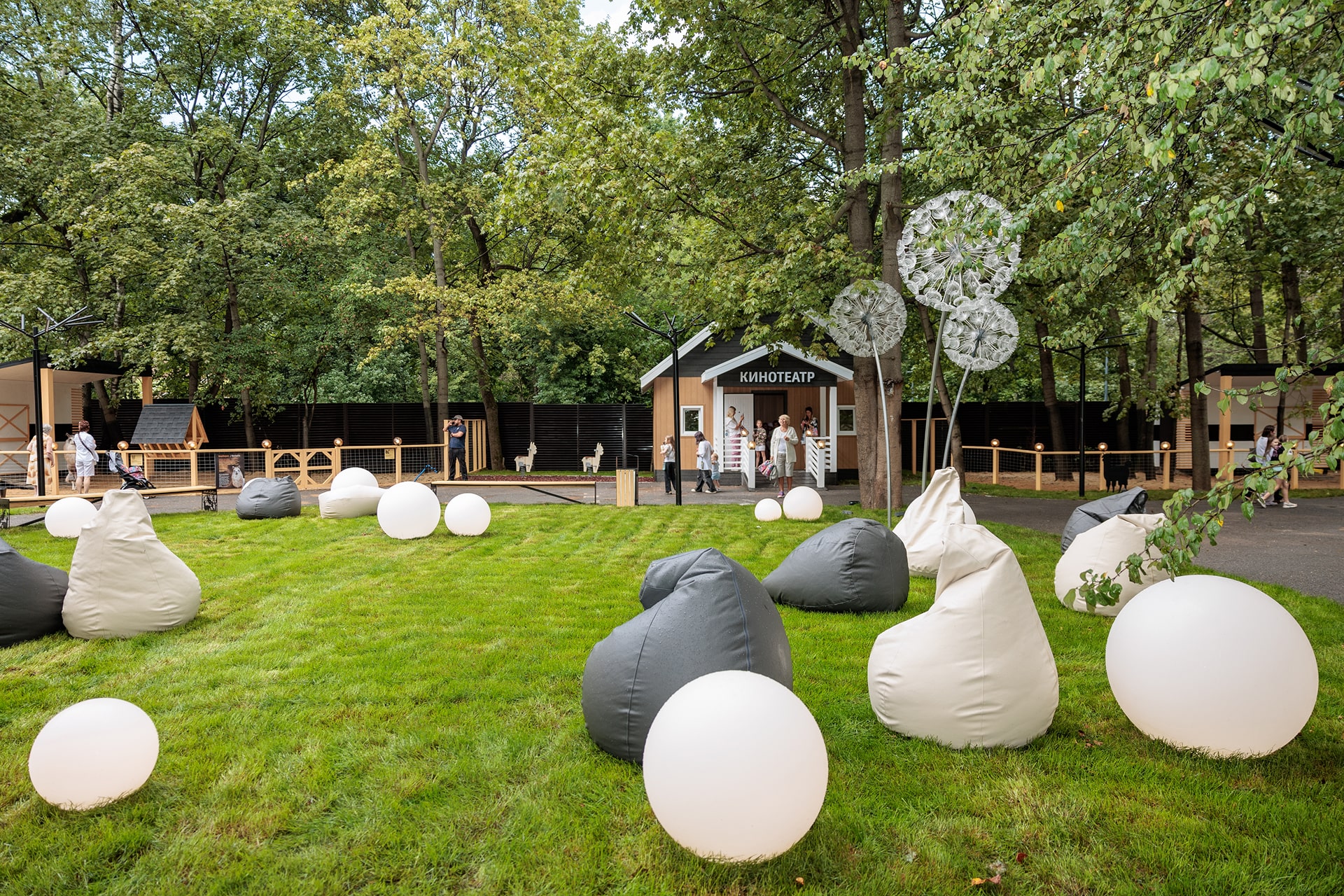
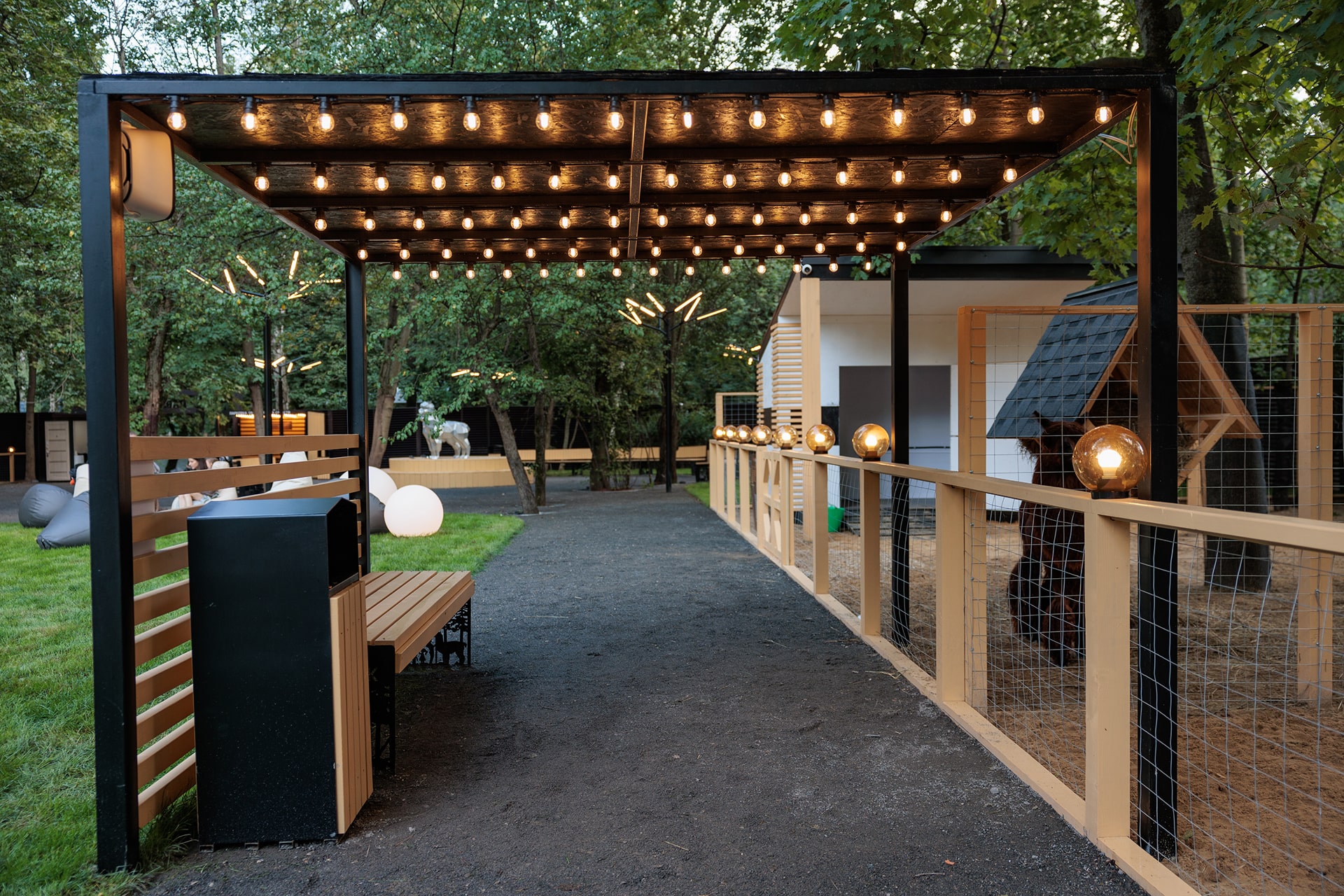
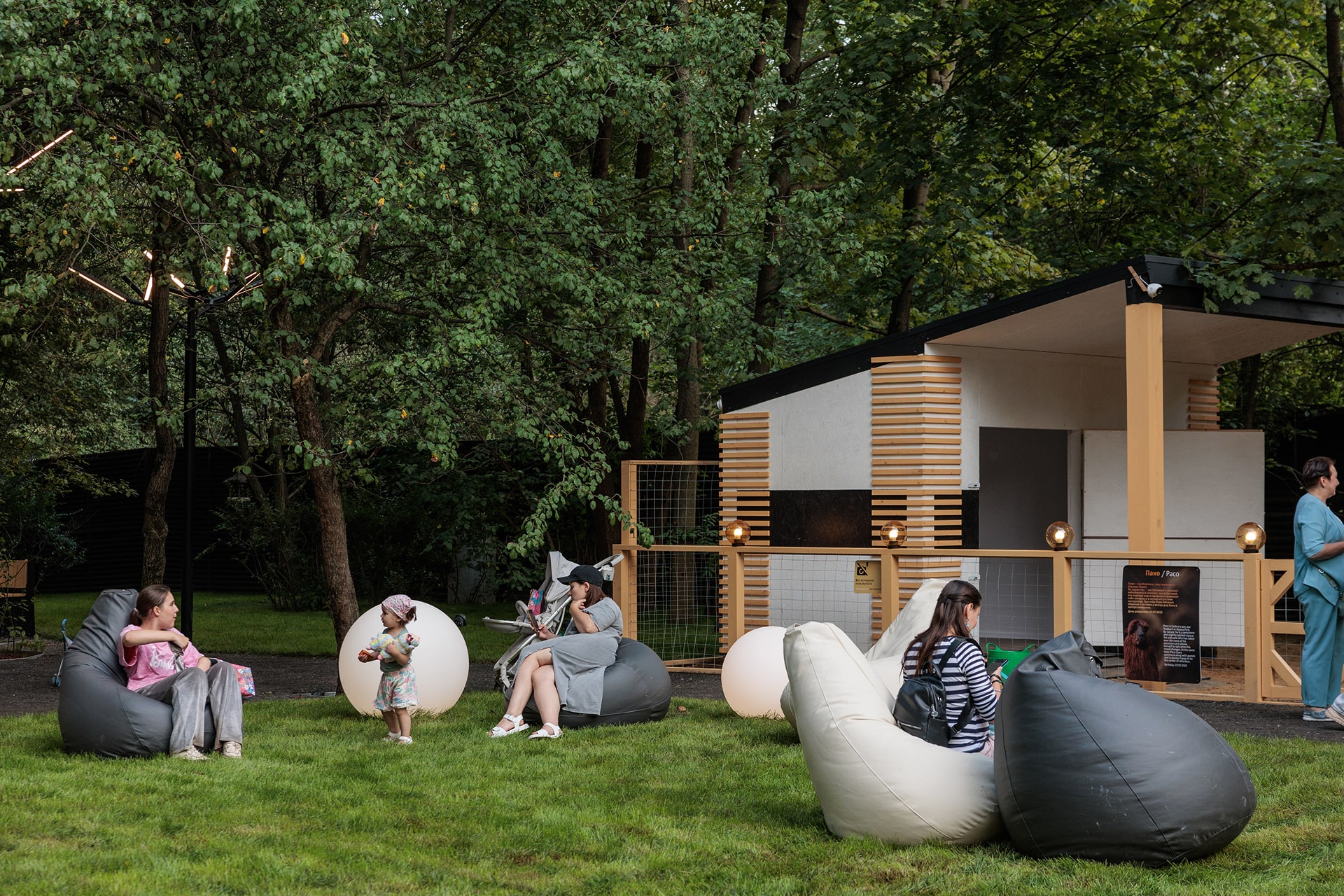
Photo Gallery «Alpaca Park»





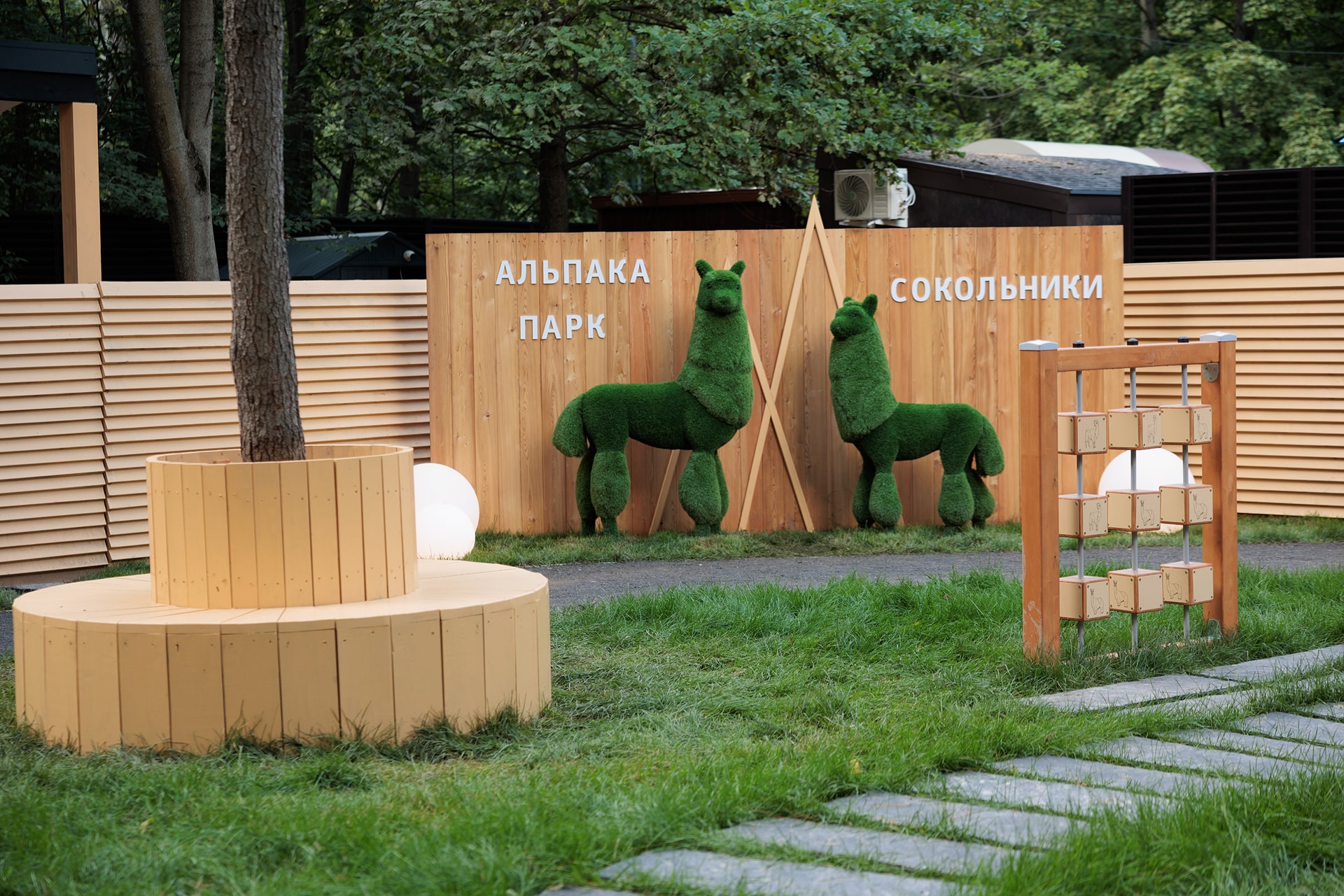

Admission prices and opening hours
Daily from 10:00-22:00
| Service | Weekdays / Weekends | Note |
|---|---|---|
| Adult admission | 1400 ₽ | Adult from 14 years old |
| Child admission (4-13 years) | 1200 ₽ | Children under 12 years old are allowed to enter only accompanied by adults (from 18 years old). Children under 4 years old enter for free. |
| Treat for alpaca | 200 ₽ | If it seems that there is little feed in the cup.. Feed for alpaca is not their main diet, it's like a dessert/treat, and too much treat is harmful for alpaca. We give the opportunity to feed the animals, but also care about their health. We hope for your understanding. |
| Premium feed for alpaca | 600 ₽ | If it seems that there is little feed in the cup.. Feed for alpaca is not their main diet, it's like a dessert/treat, and too much treat is harmful for alpaca. We give the opportunity to feed the animals, but also care about their health. We hope for your understanding. |
| Family tickets | ||
| 2 adults and 1 child | 3200 ₽ | Adults from 14 years old, children from 4 years old *tickets for this category already include a discount for multichild families - no additional discounts apply |
| 2 adults and 2 children | 4160 ₽ | Adults from 14 years old, children from 4 years old *tickets for this category already include a discount for multichild families - no additional discounts apply |
| Photoshoot | 5000 ₽ | Photoshoot with Alpaca Park photographer 10,000 rubles. Park admission is paid separately. To arrange a photoshoot with Alpaca Park photographer, you need to book in advance by phone: +79660326666 |
Discounts and concessions
| Category | Condition | Note |
|---|---|---|
| Children under 4 years old | Free admission | Children under 12 years old must be accompanied by an adult. Accompanying person - over 18 years old. Accompaniment is paid according to the price list. |
| Disabled persons group 1 | Free admission | 1 accompanying person for disabled person gets 50% discount. Discount is valid upon presentation of disability certificate (form 088/u-06) or disabled person ID at the cashier. |
| WWII veterans | Free admission | 1 accompanying person for veteran gets 50% discount. Discount is valid upon presentation of WWII veteran ID. |
| Orphaned children | Free admission | 1 accompanying person for child gets 50% discount. Discount is valid upon presentation of document confirming orphan status. |
| Children with disabilities | Free admission | 1 accompanying person for disabled person gets 50% discount. Discount is valid upon presentation of disability certificate and individual rehabilitation program for the child (IRP) at the cashier. |
| Disabled persons group 2 and 3 | 50% discount | 1 accompanying person for disabled person gets 50% discount. Discount is valid upon presentation of disability certificate (form 088/u-06) or disabled person ID at the cashier. |
| Large families | 20% discount | Discount is valid upon presentation of large family certificate or QR code from Gosuslugi app at the cashier. |
| Pensioners | 20% discount | Discount is valid upon presentation of pensioner ID at the cashier. |
| Students | 10% discount | Discount is valid upon presentation of student ID with photo at the cashier. |
| Birthday celebrants | 15% discount | Discount is valid 3 days before and 3 days after Birthday upon presentation of birthday celebrant's passport at the cashier. |
| Moscow Card | from 10% discount | Moscow Card holders can enjoy discounts ranging from 10% to 100%. More details are available on the website: https://karta.mos.ru/catalog/alpaka-park |
How to get to Alpaca Park
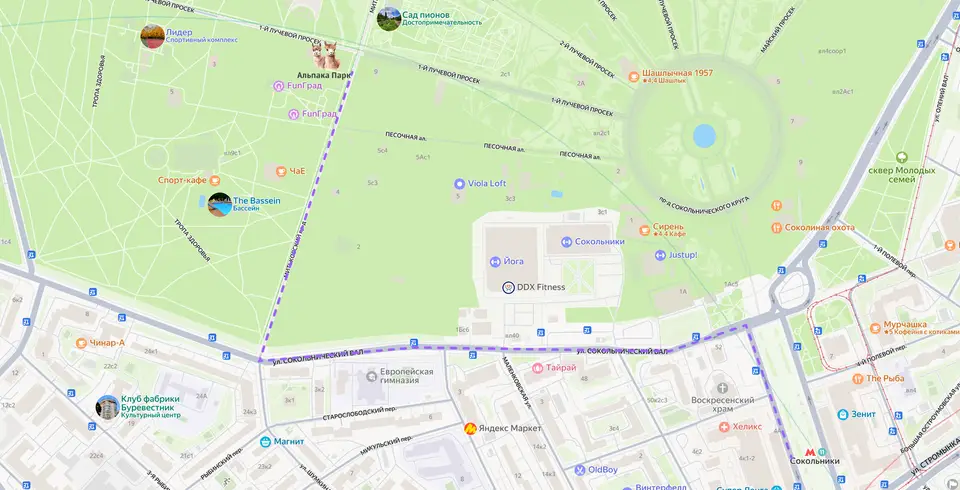
Walk from Sokolniki metro
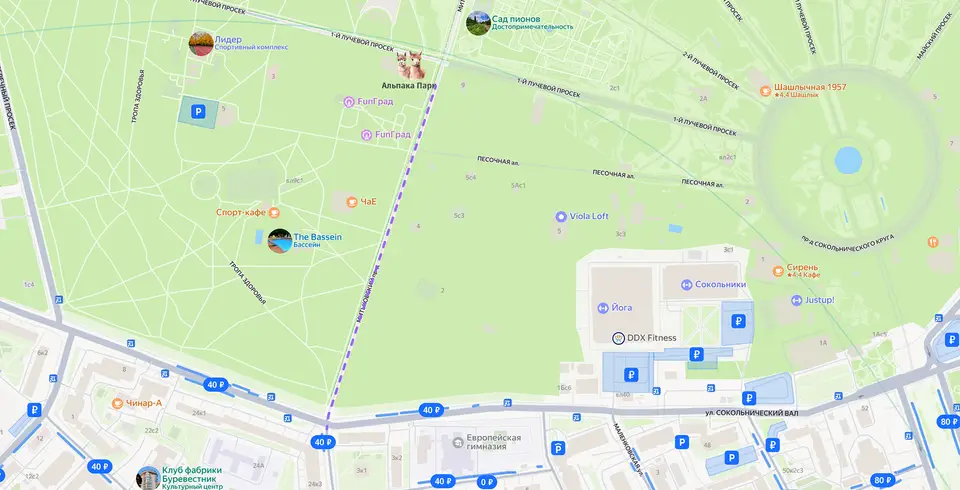
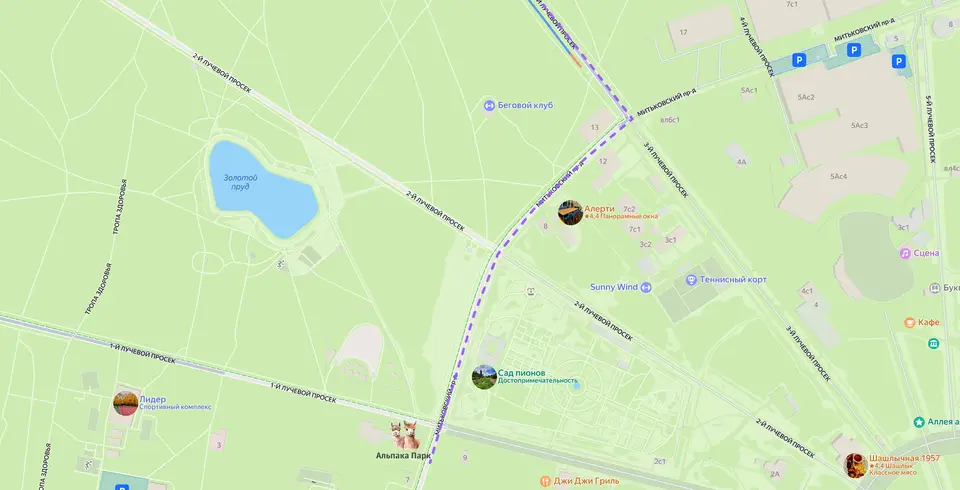
From Sokolniki metro walk to the main entrance of Sokolniki Park (towards Oleny Val street), turn left and walk to Mitkovsky proezd. At Mitkovsky proezd turn right (entrance to Sokolniki Park), go straight to 1st Luchevoy prosek. Before 1st Luchevoy prosek on the left side is Alpaca Park
City parking (along park borders)
City parking along Sokolniki Park
Paid entrance: parking at 3rd Luchevoy prosek
FAQ
We have gathered the most popular questions from our park guests to ensure your visit is perfect and stress-free.
Alpaca fur is hypoallergenic, waterproof, and does not shed
On the farm, alpacas can live up to 20 years, but with proper care at home, they can live up to 25 years
Alpaca births often occur in the morning. This natural process is intended for the newborn to adapt to the temperature before night falls.
The word "alpaca" does not decline by number and case
Uakaiya is the most numerous species, resembling a plush teddy bear in appearance. The Suri alpaca breed has long, flowing fibers.
Ancestry of alpacas are wild vicuñas. Alpacas were domesticated about 6000 years ago by the Incas in Peru, mainly for their wool.
Alpaca shearing occurs once a year, removing up to 3-5 kg of fleece from one animal. Shearing is done moderately and always before summer, as alpacas can simply freeze in the heat.
Alpacas usually give birth to only one baby at a time; twins are very rare.
Alpacas, like other animals with thick fur, can experience heat stress in hot weather. Shearing helps them better withstand high temperatures.
Alpacas are social animals, living in herds. Llamas by nature are independent and can exist alone
Alpaca hair is excellent for making great "lawn mowers". Unlike other animals, they clip grass from the middle of the blade, rather than pulling out entire roots and eating plants whole. This results in neatly trimmed lawns and happy alpacas. It's a win-win situation!
Alpacas do not have hooves. They are part of the camelid group, with soft velvety growths on their foot pads that enable them to walk.
Alpacas' teeth grow throughout their lives
Alpacas "bleat" to communicate with each other in their language – they whine, snort, make clicks, burp, and squeak to express dissatisfaction and scream in case of danger
Alpacas are native to South America, primarily living in high-altitude regions of Peru, Bolivia, and Chile at elevations between 3500 and 5000 meters above sea level.
Alpaca fur has 24 natural shades
Suri alpacas are less common than Huacaya alpacas, comprising only about 5% of the global population. Their wool is more expensive due to its rarity and higher quality.
The first mention of alpacas dates back to 1553, in Seville de León's Chronicle. It even comes with an illustration
Alpaca eyes are mostly brown, and it is rare to see blue-eyed alpacas.
There is a term called "Alpaca Therapy" – this method involves interacting with alpacas to reduce stress, improve mood, and overall health of humans.
Alpacas and llamas belong to the camelid family (Camelidae). Both species, along with their ancestors - vicunas and guanacos, are part of the South American group of camels.
Almost all alpacas are white. There are about three million alpacas in the world, with 80% of them being white, which can be easily colored in other colors. Most of them live in Peru (about 3 million).
Alpaca mothers give birth to a baby after about 11 months of pregnancy
Alpacas are usually sheared in the spring before the heat sets in to maintain their comfort and ensure high-quality wool.
Lamas are much larger than alpacas, with their ears stretched in a banana shape, while alpacas have shorter, triangular ears like the point of a spear.
Ancient Peruvians believed that alpacas appeared on Earth together with the goddess of fertility, Pacamama, and have been faithful companions to humans ever since.
When alpacas' teeth grow very long, they need help trimming them. Alpacas' teeth continuously grow throughout their lives.
Alpacas do not have teeth on the upper jaw. They only have a lower set of teeth.
Alpacas communicate using body language, both with other alpacas and humans. The male may stretch its neck and stand sideways to assert its dominance and intimidate rivals. They also stomp their feet when irritated and raise their ears as a sign of alarm.
Alpacas, living in high-altitude regions of Peru, Bolivia, and Chile, are adapted to extremely cold temperatures during the night (down to -20 degrees Celsius) and mild daytime temperatures (up to 15 degrees Celsius).
The strongest and most aggressive male is usually the leader of the herd
Alpaca fur has all the properties of sheep's wool, but it is much lighter and warmer in weight.
The official record for the longest lifespan of an alpaca is 28 years
Thanks to their unique properties, Suri alpaca wool is often referred to as "Royal" and is used in premium-grade products.
Alpacas are very sensitive creatures and cannot tolerate loneliness, so they cannot be kept alone - always as a pair, otherwise from loneliness an alpaca may even die.
Alpacas have rectangular pupils to see 180 degrees
Alpacas are much cleaner than other household animals, and they naturally find a place for their bathroom and always go to the same spot.
In the past, alpacas Suru wool was used exclusively by royal families and nobility in clothing production
The domesticated form of llamas (Lama glama) originated from the wild species – guanacos (Lama guanicoe), and alpacas – from the wild vicuñas (Vicugna vicugna).
Alpaca wool is used to make warm and soft blankets, throws, clothing, and home accessories.
Newborn alpacas start standing on their legs within an hour of being born and begin to walk soon after that.
Alpaca shearing is a method for obtaining valuable wool, known for its strength, insulation, and hypoallergenic properties
Lamas are significantly larger than alpacas - they can reach heights of 1.8 meters and weigh up to 200 kg, while alpacas typically stand about 1 meter tall and weigh around 70 kg.
Alpaca therapy is a popular treatment for stress and anxiety. Spending time with these calm creatures can have a soothing effect on the human mind.
Alpacas are not pack animals like llamas. They are smaller and cannot carry heavy loads. They are raised for their wool and beauty :)
Alpacas trim grass with their lower teeth, rather than pulling it up by the roots like other herbivores.
Most alpacas communicate using sounds. The most common sound is a bleat. They make this noise for various reasons, including when they are upset, happy, or bored.
Alpaca wool plays a key role in their ability to survive in such conditions. It not only keeps them warm but also effectively wicks away moisture, preventing overheating
Alpacas are very friendly and love to communicate. They live on the wild even under human watchfulness. There are no feral alpacas - they are a domesticated animal. Humans have been taming them for over 6,000 years.